Poisonous Plants
Eleven poisonous or hazardous plants found in Northern Kentucky — in forests, roadsides, yards, and stream banks around ZIP 41018. Profiles include toxicity level, identification tips, and safety guidance. Click any plant name to expand its full profile.
Black Nightshade Solanum nigrum June – October ►
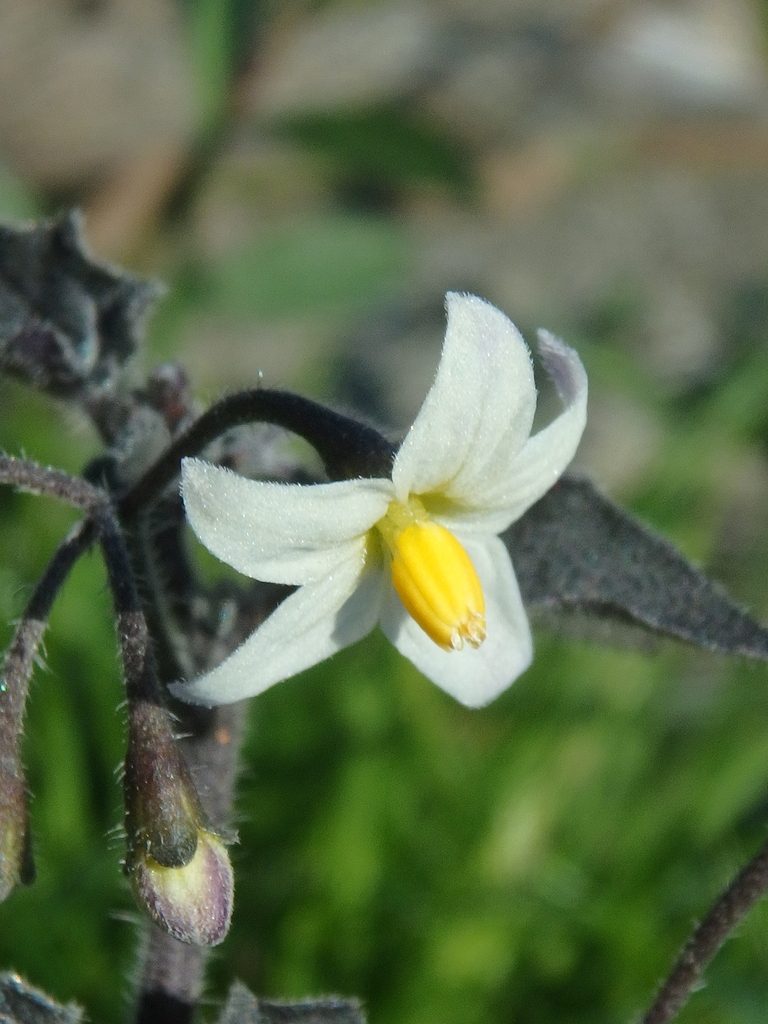
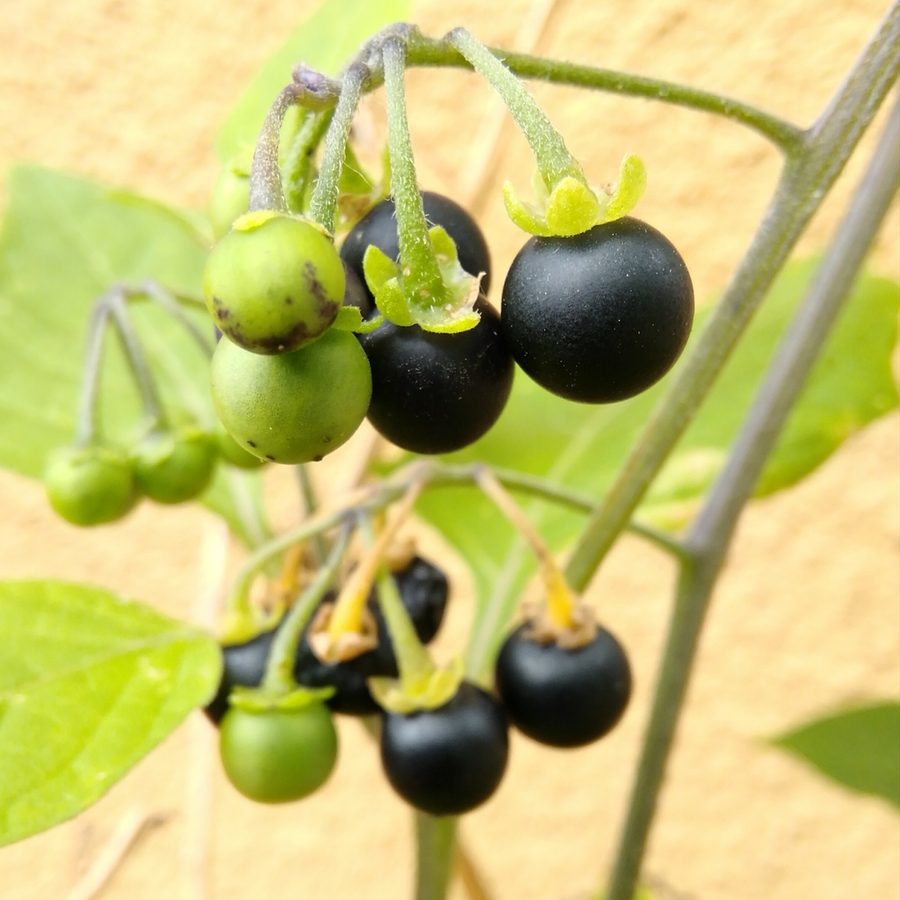
One of the most common weedy plants in Northern Kentucky gardens, roadsides, and disturbed areas. The small white star-shaped flowers resemble tomato blossoms, and the pea-sized berries ripen from green to shiny black. All parts are toxic, containing solanine alkaloids, with unripe berries posing the greatest risk — especially to children attracted by the grape-like clusters. Livestock deaths have been recorded. Cooking does not reliably destroy the toxins. Remove plants before berries form and do not compost.
Jimsonweed Datura stramonium July – October ►
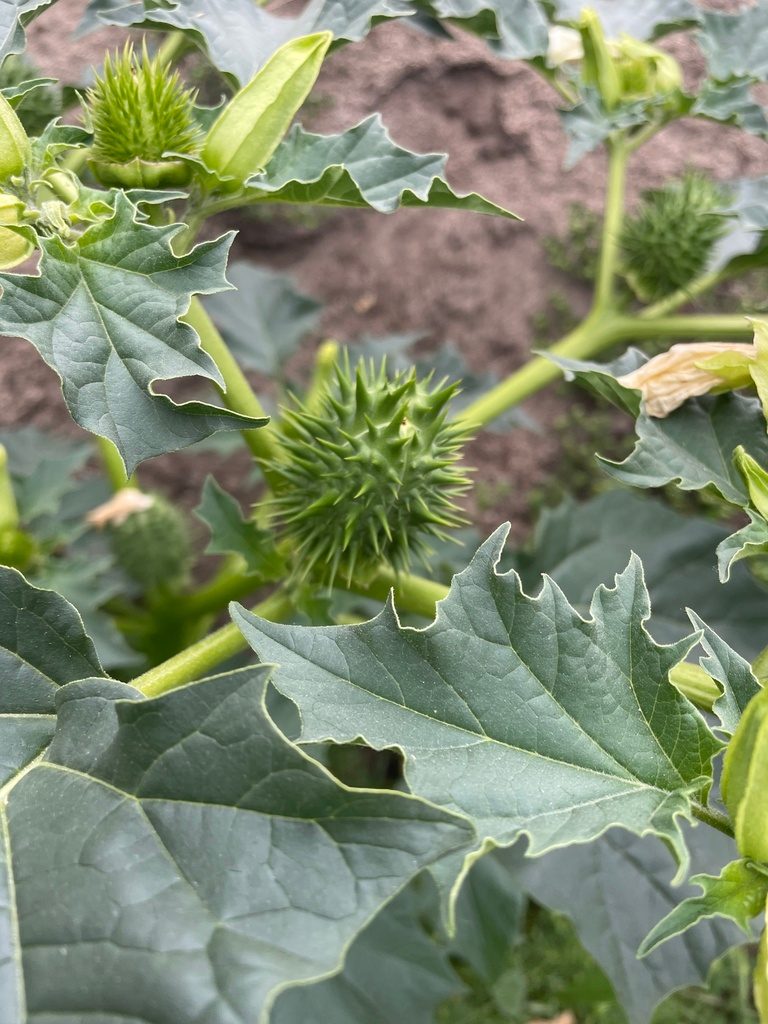
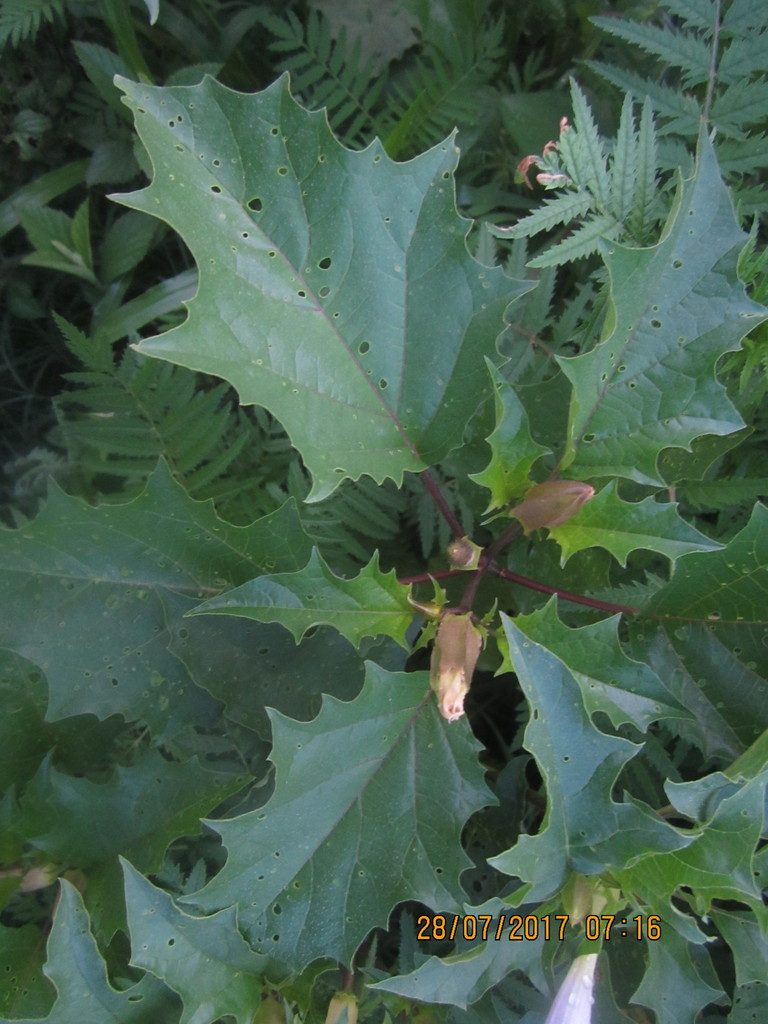
Jimsonweed grows in barnyards, field edges, and disturbed ground throughout NKY and is one of the most dangerous plants in the region. All parts — especially the seeds and leaves — contain tropane alkaloids (atropine, scopolamine, hyoscyamine) that cause rapid heart rate, hallucinations, delirium, and can be fatal even in small doses. The large white trumpet flowers are showy, and the spiny seed capsules are distinctive. Livestock poisoning is common. Wear gloves when removing — skin absorption of toxins is possible.
Mayapple Podophyllum peltatum April – May ►
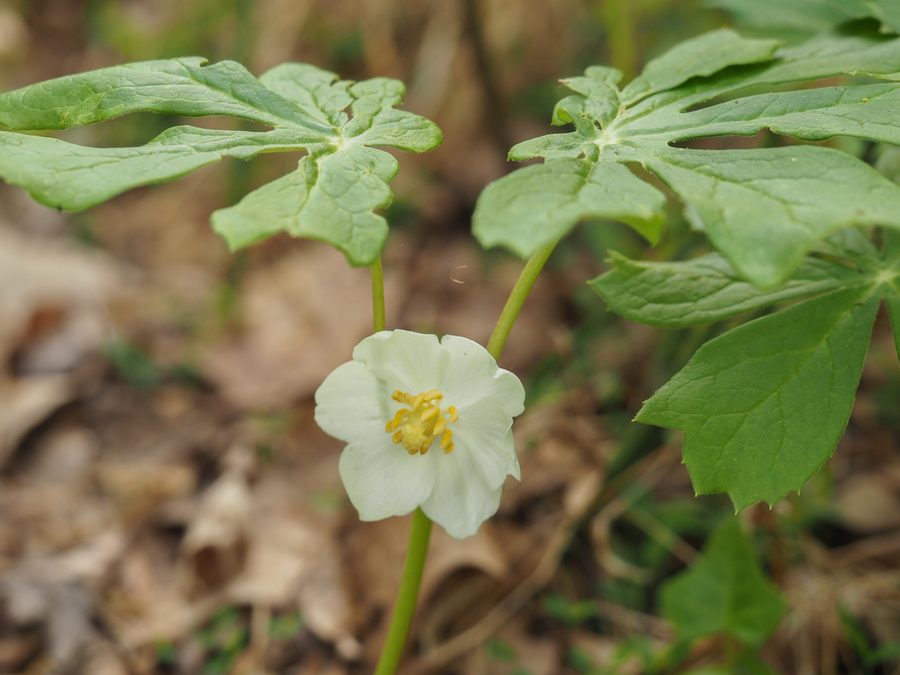
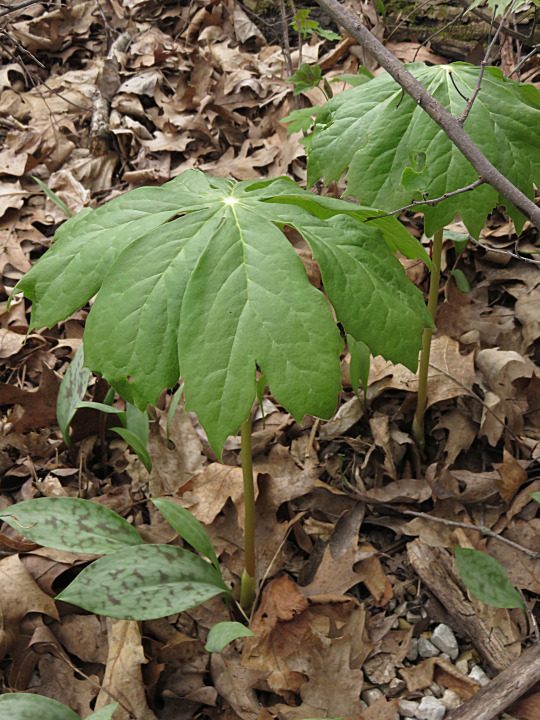
A common native of NKY forest floors, Mayapple forms large colonies of umbrella-like leaves in shaded woodlands. The single white flower hides beneath the leaves and produces a lemon-sized yellow fruit in summer. Fully ripe fruit is edible in small quantities but the roots, leaves, stems, and unripe fruit contain podophyllotoxin — a potent toxin that causes vomiting, nerve damage, and can be fatal in larger doses. Native American tribes used small amounts medicinally. Admire it in the forest but avoid handling the plant or consuming any part unless you are certain the fruit is fully ripe.
Ohio Buckeye Aesculus glabra April – May ►
The Ohio Buckeye is a native tree common in NKY bottomlands and forest edges, and the state tree of Ohio — making it a familiar sight just across the river. The shiny brown seeds (buckeyes) are often collected by children but contain aesculin and other glycosides that cause vomiting, muscle weakness, and paralysis if eaten. All parts are toxic, including nectar from the flowers — honey produced from buckeye bloom can cause mild symptoms. Horses and livestock are particularly sensitive. The seeds are safe to carry as a good-luck charm as long as they are not eaten.
Poison Hemlock Conium maculatum May – July ►
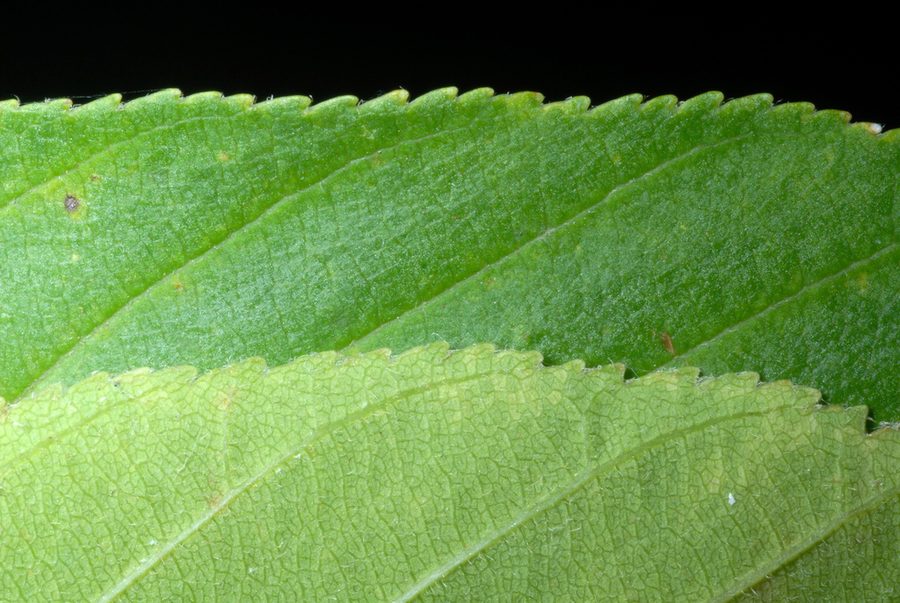
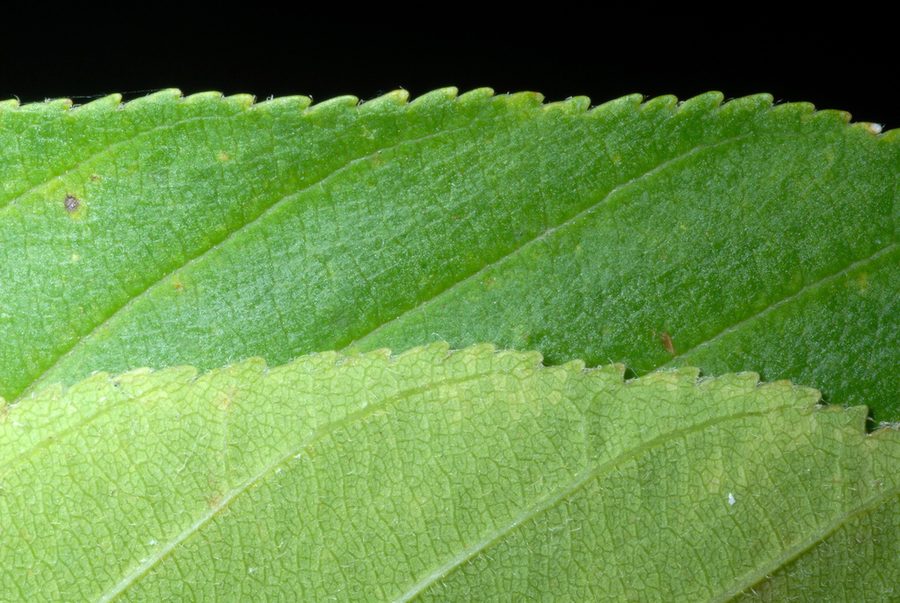
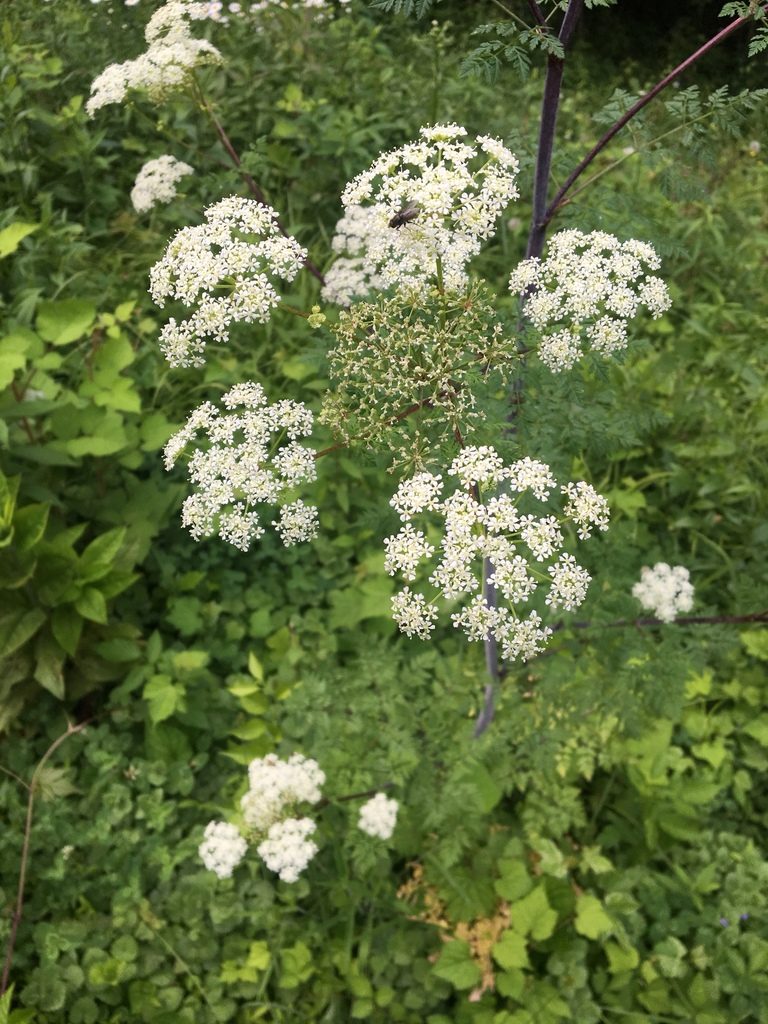
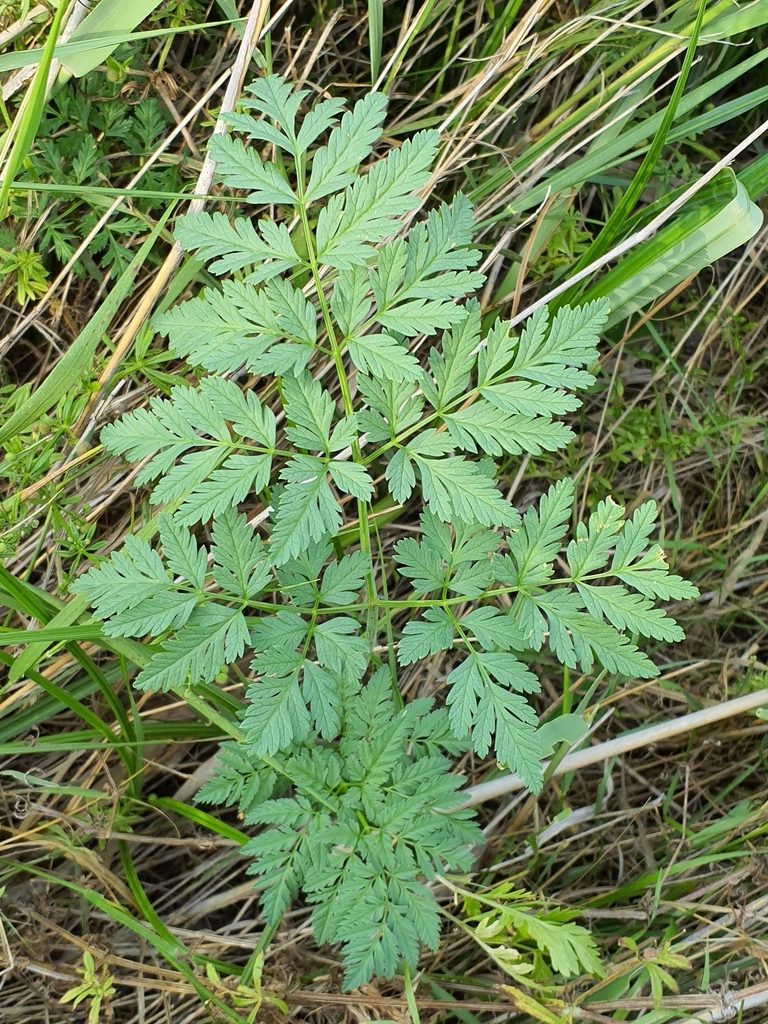
Poison Hemlock — the plant used to execute Socrates — is now widespread along Kentucky roadsides, drainage ditches, and stream banks. It is a biennial that grows 4–8 feet tall with hollow purple-blotched stems, finely divided fernlike leaves, and flat white flower clusters (umbels) that resemble Queen Anne's Lace. All parts contain coniine, a neurotoxin that causes ascending paralysis and respiratory failure. It is easily confused with edible wild carrot or wild parsley — the purple stem blotches and musty mouse-like odor are the best distinguishing features. Do not handle without gloves; wash hands thoroughly after any contact.
Poison Ivy Toxicodendron radicans May – July ►
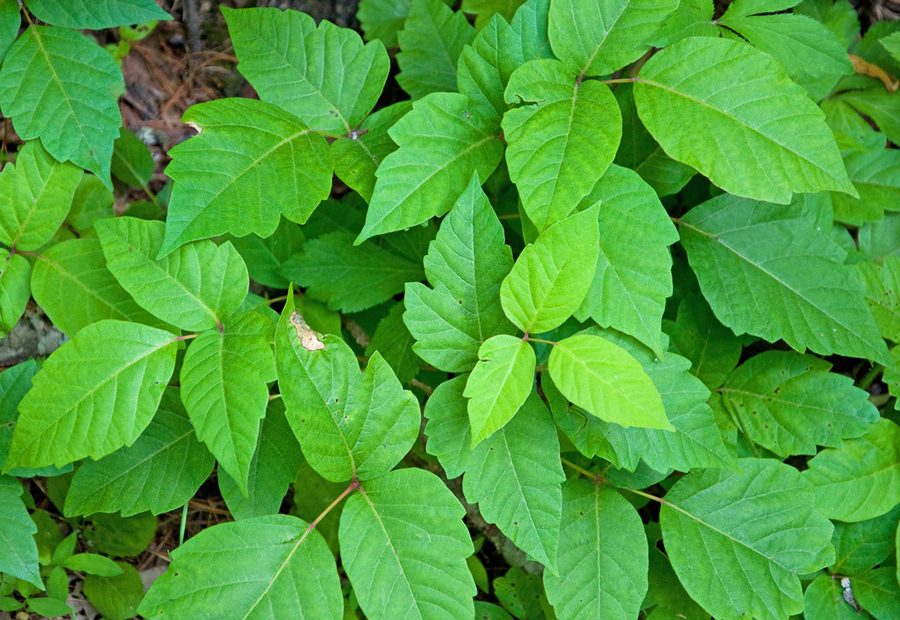
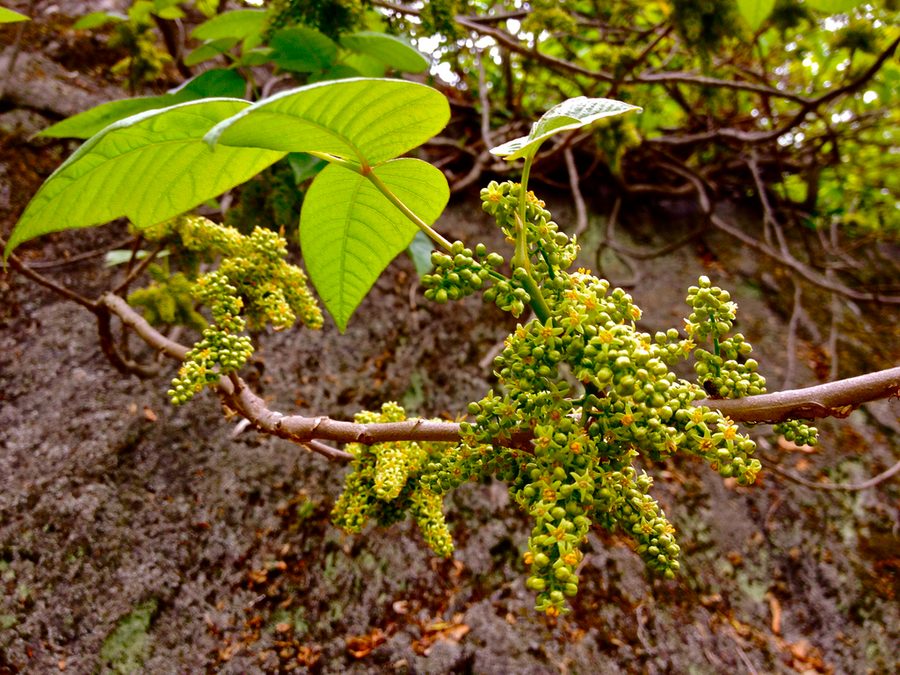
The most encountered hazardous plant in Northern Kentucky. "Leaves of three, let it be" is the best field rule — each leaf is divided into three leaflets, with the middle leaflet on a longer stalk. It grows as a ground vine, shrub, or climbing vine on trees (look for the distinctive hairy rope-like aerial roots on tree trunks). Urushiol oil causes a blistering allergic reaction in most people and can remain active on tools, clothing, and pet fur for years. The white berries are a valuable wildlife food. Burning poison ivy is extremely dangerous — smoke carries urushiol directly into the lungs. If exposed, wash immediately with dish soap and cold water.
Pokeweed Phytolacca americana July – September ►
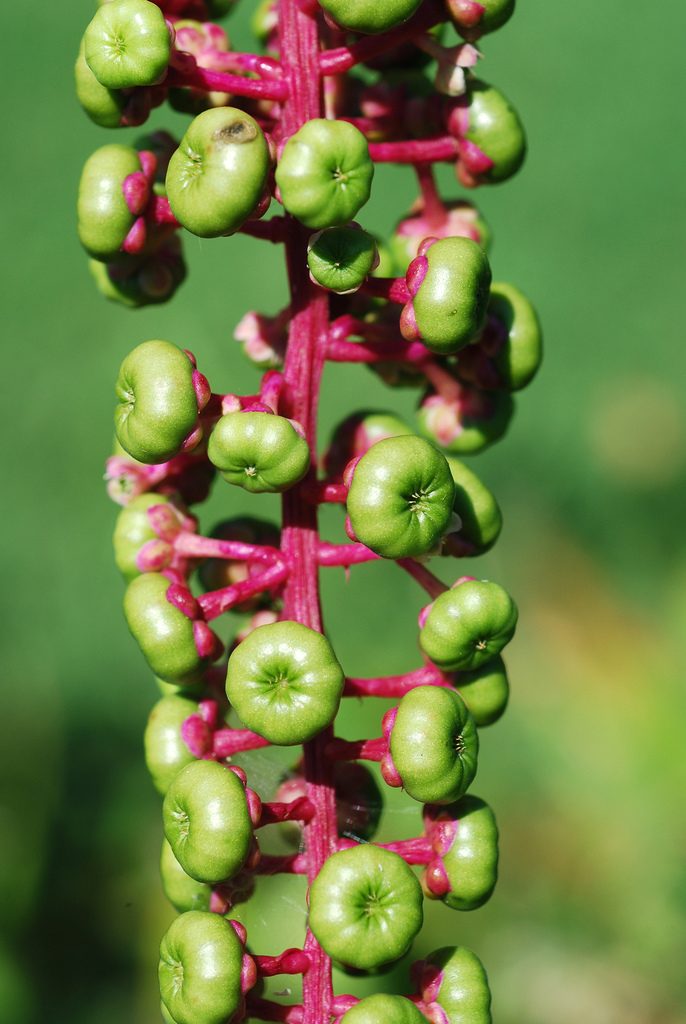
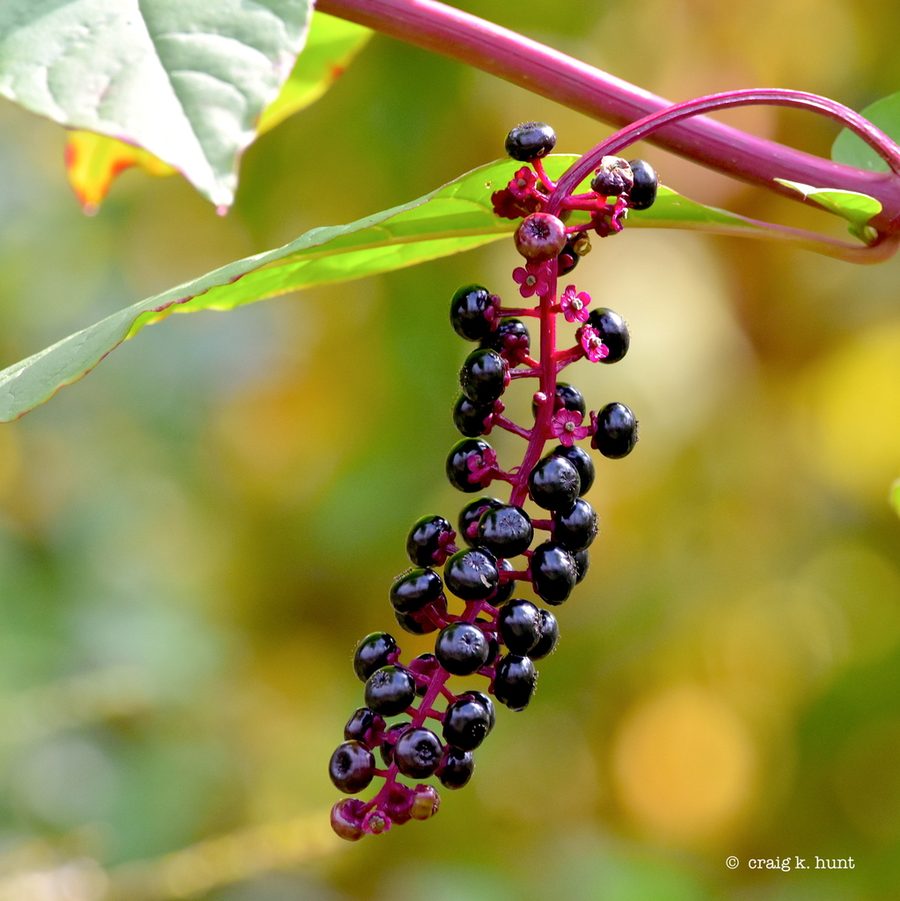
A large, bold native perennial that can reach 10 feet tall, Pokeweed is common in NKY forest edges, fence rows, and disturbed ground. The deep magenta stems are distinctive in late summer when the plant is loaded with dark purple-black berries on drooping clusters. All parts are toxic — the roots most severely — containing phytolaccine and other compounds that cause severe vomiting, diarrhea, and can suppress the immune system. Birds eat the berries without harm and spread seeds widely. Young spring shoots have historically been cooked and eaten (like asparagus), but this requires multiple boilings and is not recommended. The vibrant berry juice was used as ink by Civil War soldiers.
Virginia Creeper Parthenocissus quinquefolia June – August ►
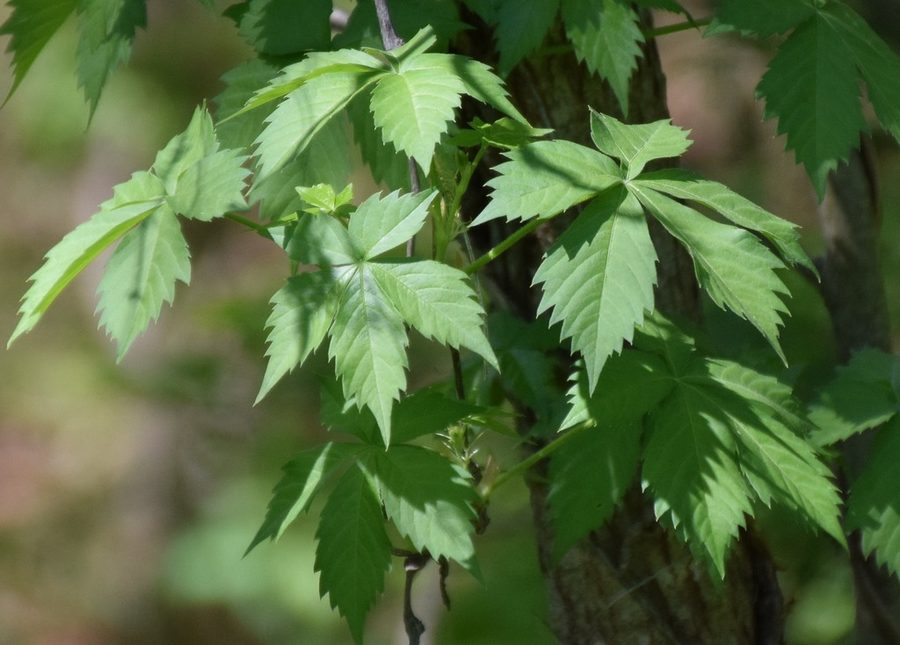
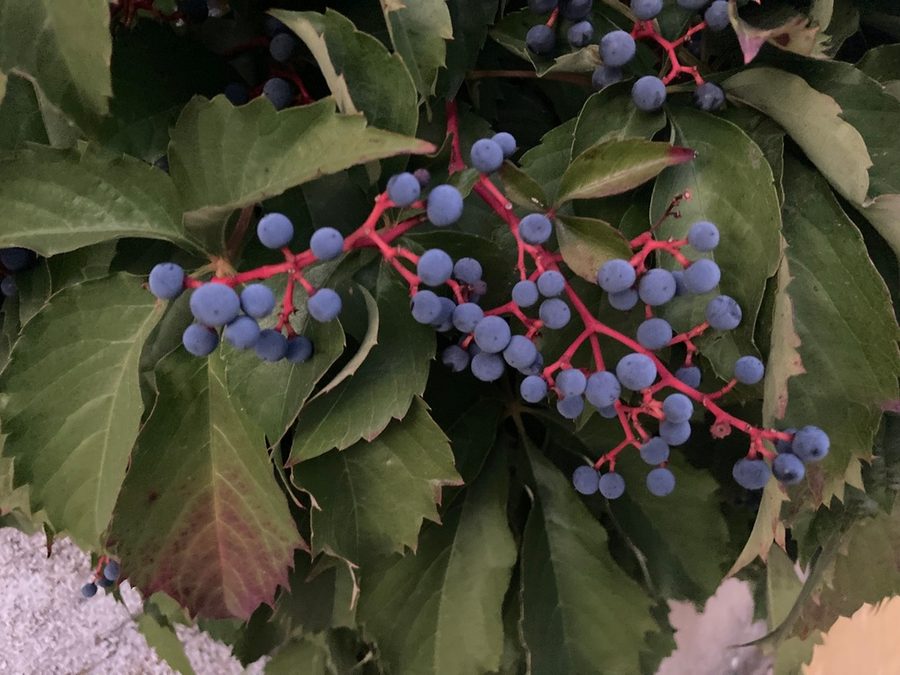
Virginia Creeper is a native vine frequently confused with Poison Ivy — learn to tell them apart. Virginia Creeper has five leaflets per leaf; Poison Ivy always has three. It climbs aggressively on fences, trees, and buildings by small adhesive pads (not aerial roots). The small blue-black berries are highly toxic to humans, containing oxalic acid, but are an important food source for birds. Some people develop skin irritation from the sap, though it is far milder than urushiol. The vine turns brilliant scarlet in fall, making it one of NKY's most striking autumn plants. Keep berries away from children and pets.
Water Hemlock Cicuta maculata June – August ►
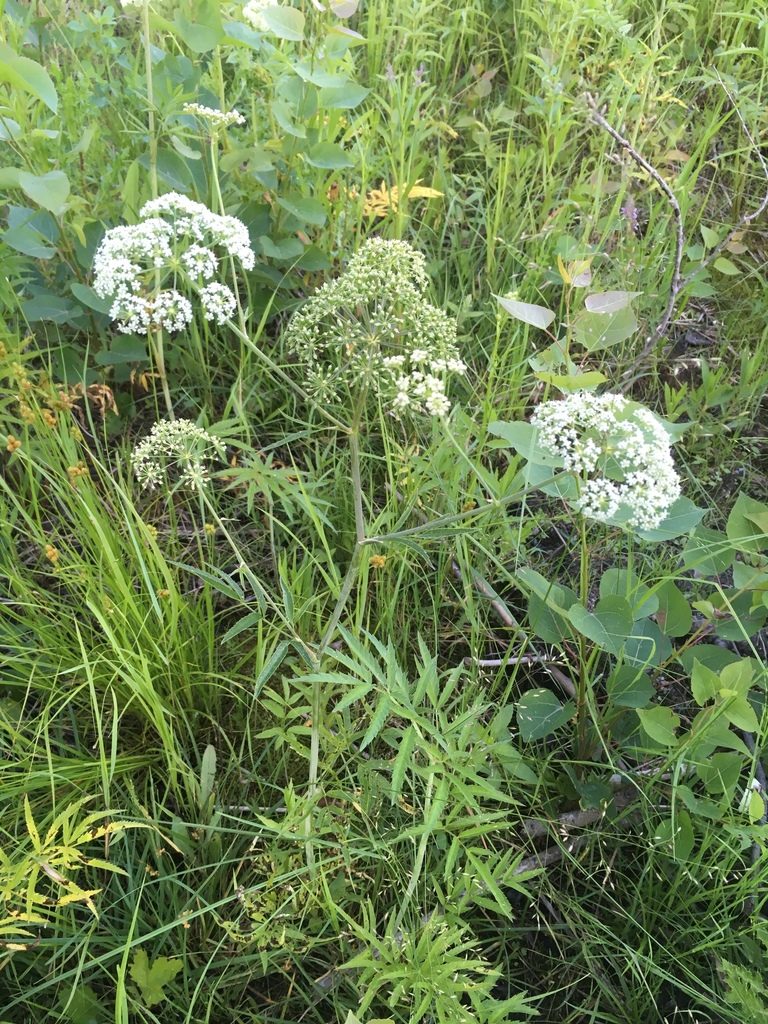
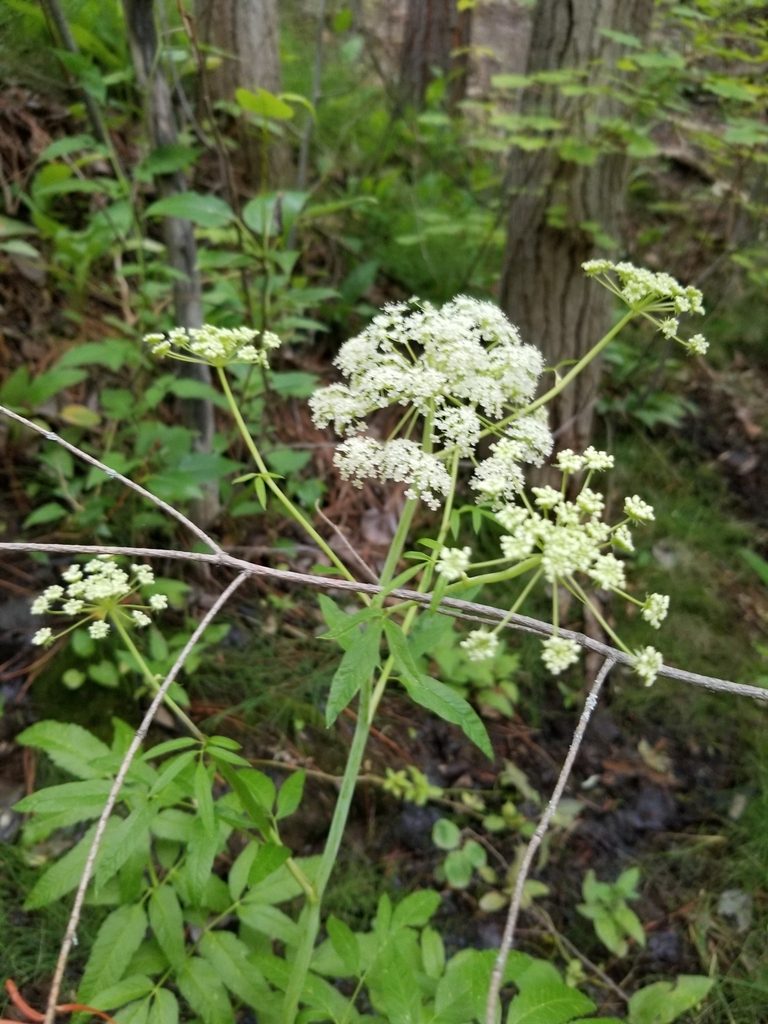
Water Hemlock grows along stream banks, pond edges, and wet ditches throughout NKY and is widely considered the most violently toxic plant native to North America. It resembles edible wild parsnip or water parsley and has been fatally mistaken for both. The roots are chambered (resembling a small parsnip) and contain cicutoxin — a convulsant that causes rapid-onset grand mal seizures, often within 15 minutes of ingestion, and can be fatal within hours. Even small amounts of root can kill an adult. Never handle this plant without gloves and never consume any plant found growing in or near water that you cannot positively identify. A single rootstalk has killed a cow.
White Snakeroot Ageratina altissima Late July – October ►
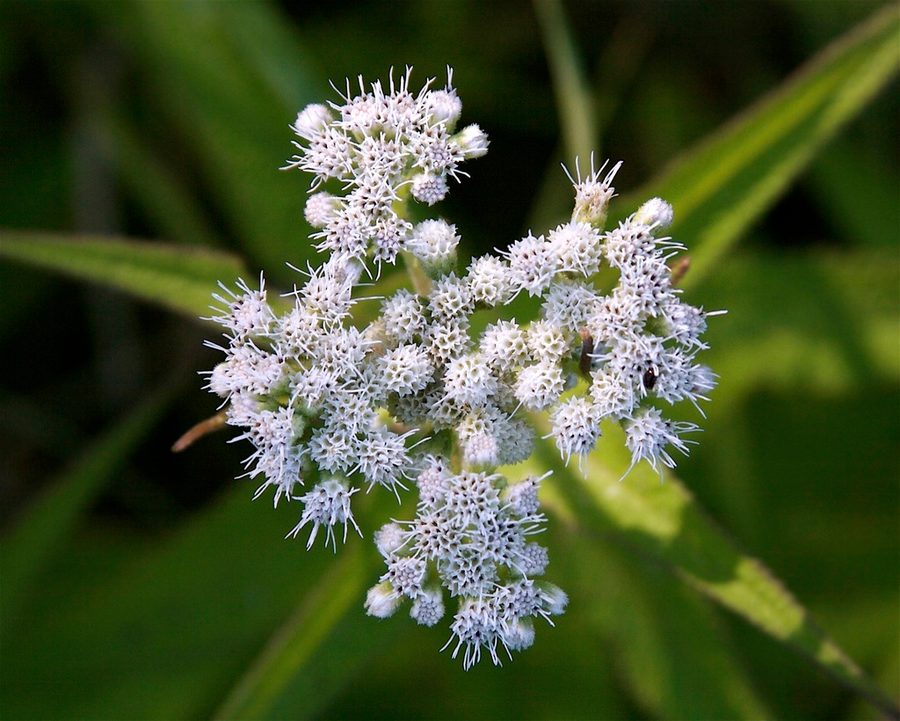
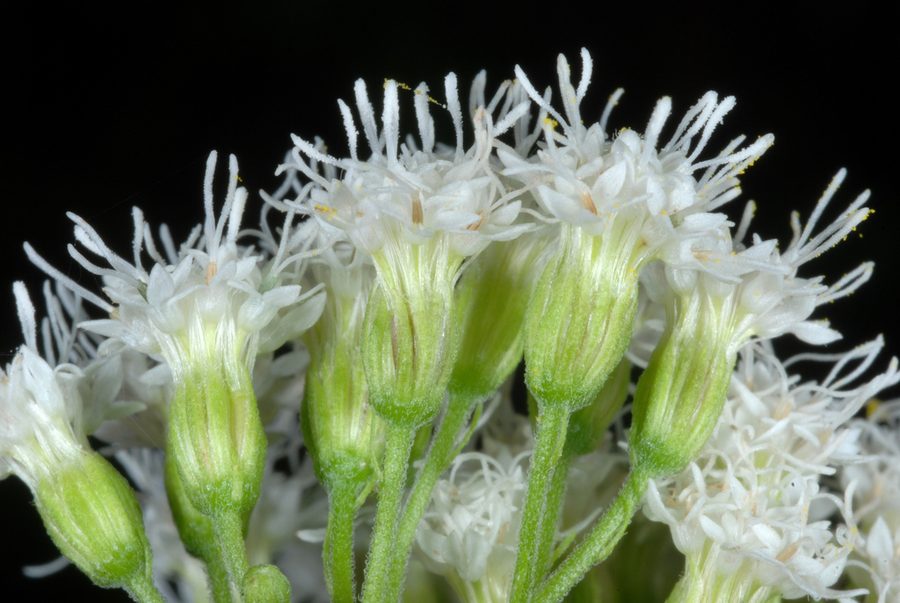
White Snakeroot is a common late-season wildflower in NKY forests and shaded roadsides, easily overlooked among other white-flowered fall plants. It contains tremetone, a toxin that causes "trembles" in livestock and passes through milk into dairy products — this was the cause of "milk sickness," which killed thousands of early American settlers, including Nancy Hanks Lincoln, Abraham Lincoln's mother, in 1818. Modern dairy practices have eliminated this risk through herd management and pasteurization. The plant itself is still toxic if eaten directly. It is an important late-season nectar source for bees and monarchs, so consider managing rather than eliminating it in areas away from livestock.
Wild Parsnip Pastinaca sativa May – July ►
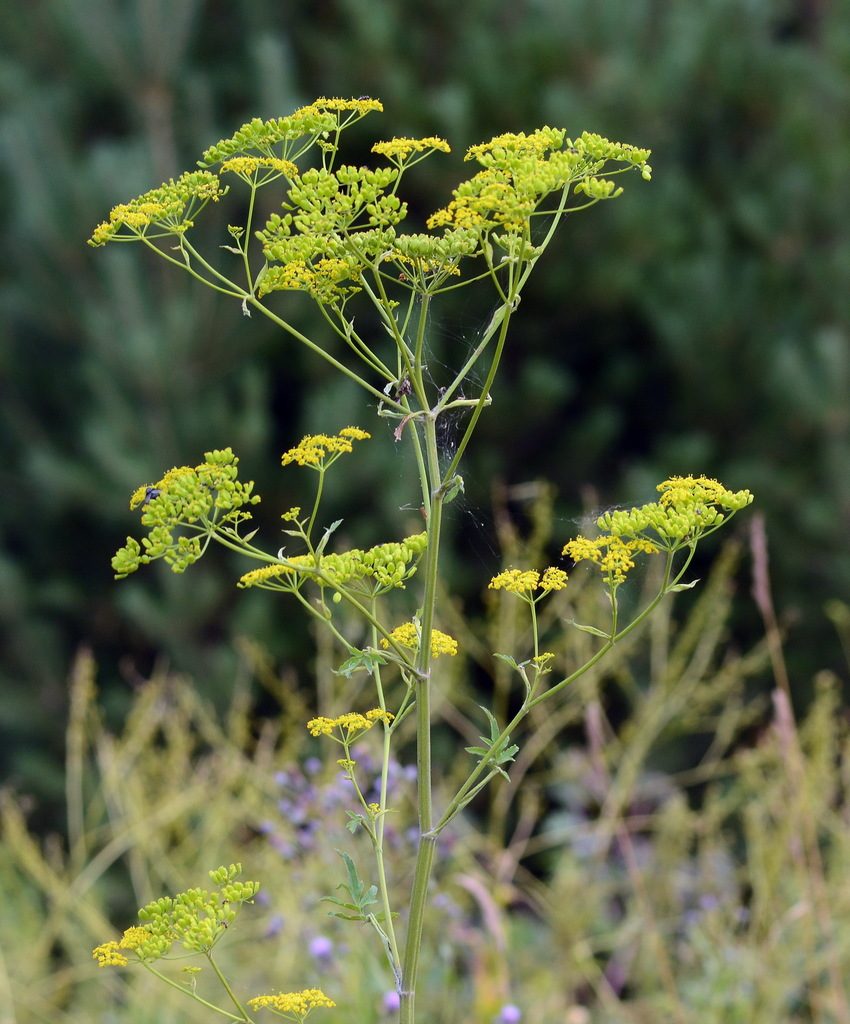
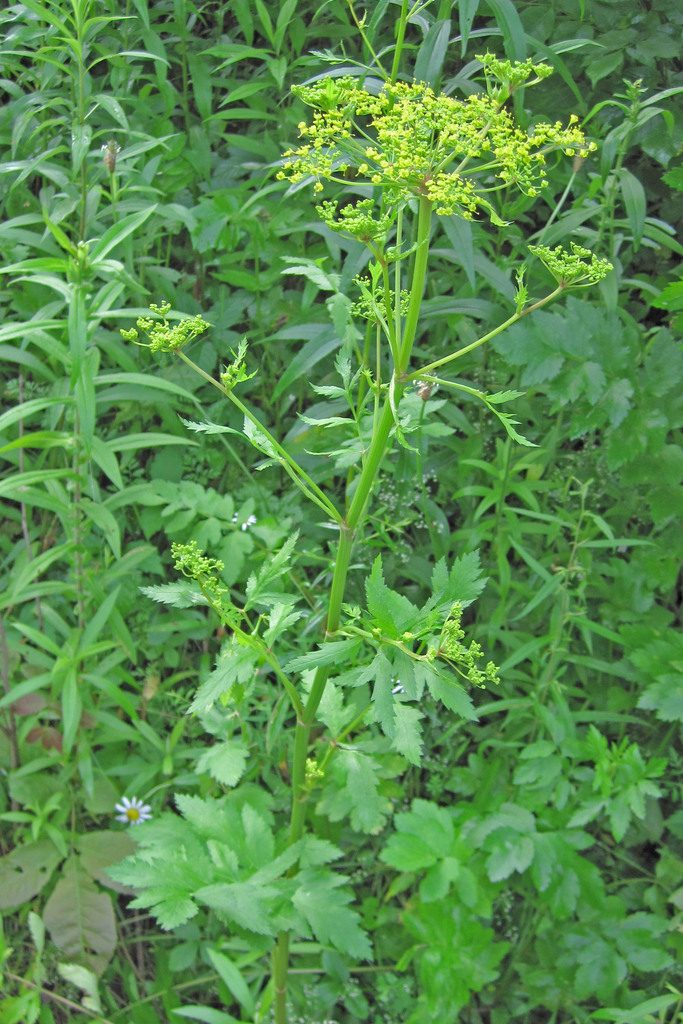
Wild Parsnip is spreading rapidly along NKY roadsides and is one of the most physically dangerous plants to encounter. The sap contains furocoumarins — chemicals that, when they contact skin and are then exposed to sunlight, trigger a severe phototoxic reaction: blisters that look like second-degree burns, sometimes covering large areas. The burns can leave dark scarring that persists for years. Plants grow 2–5 feet tall with flat yellow flower clusters (umbels). Do not brush through wild parsnip with bare skin, especially on sunny days. If contacted, wash immediately and cover the area from sunlight for 48 hours. Mow only with protective clothing.