Invasive Plants
The ten most damaging invasive plant species in Northern Kentucky, ranked by ecological threat. Bloom windows are noted where relevant — some invasives provide nectar, but their harm to native ecosystems far outweighs that value. Click any plant name to expand its full profile.
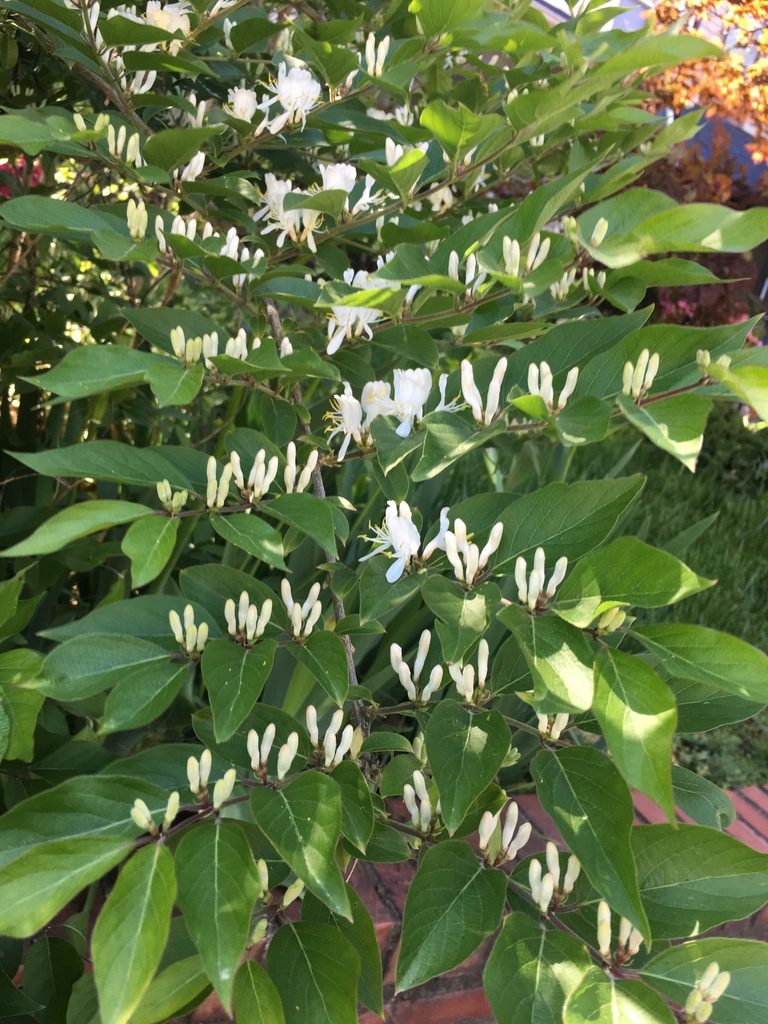
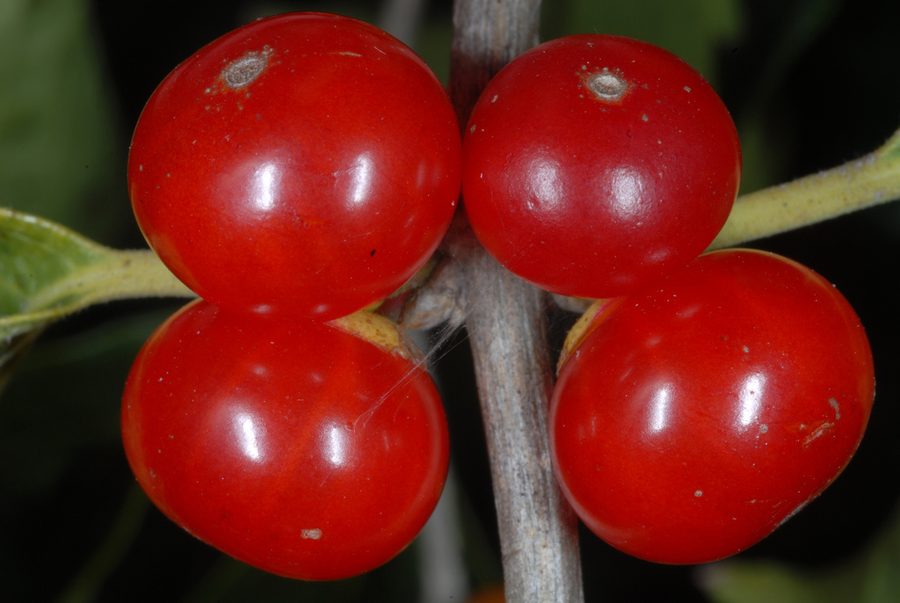
Amur Honeysuckle Lonicera maackii Mid May – Early June ►
The single most destructive invasive shrub in Northern Kentucky forests. Amur Honeysuckle leafs out weeks earlier than native plants and holds leaves weeks later, shading out everything beneath it. It can colonize a forest understory within a few years. Birds readily spread the red berries. Bees do visit its white-to-yellow flowers, but its nectar output is modest compared to native alternatives. Control requires cutting plus herbicide treatment of the stump; pulling alone rarely works on established plants.
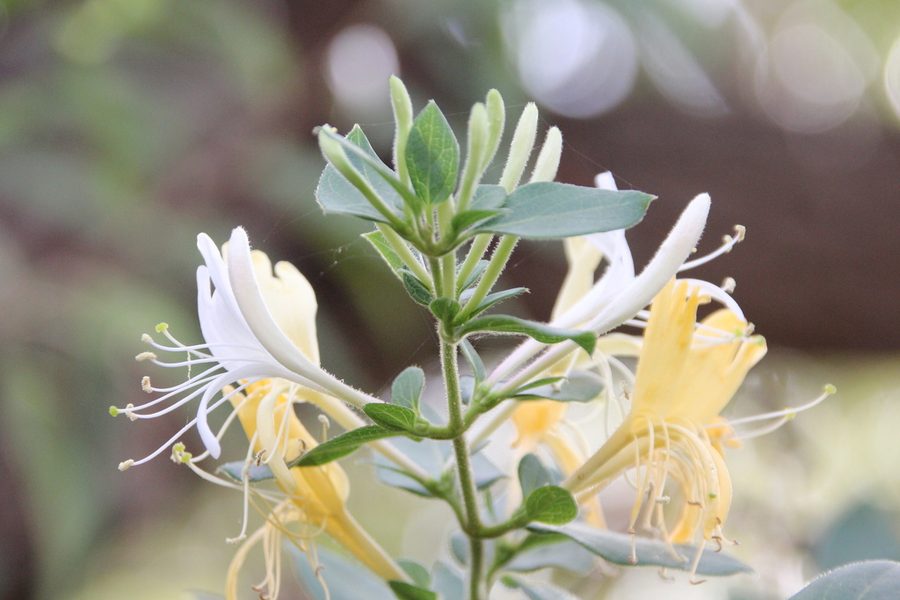
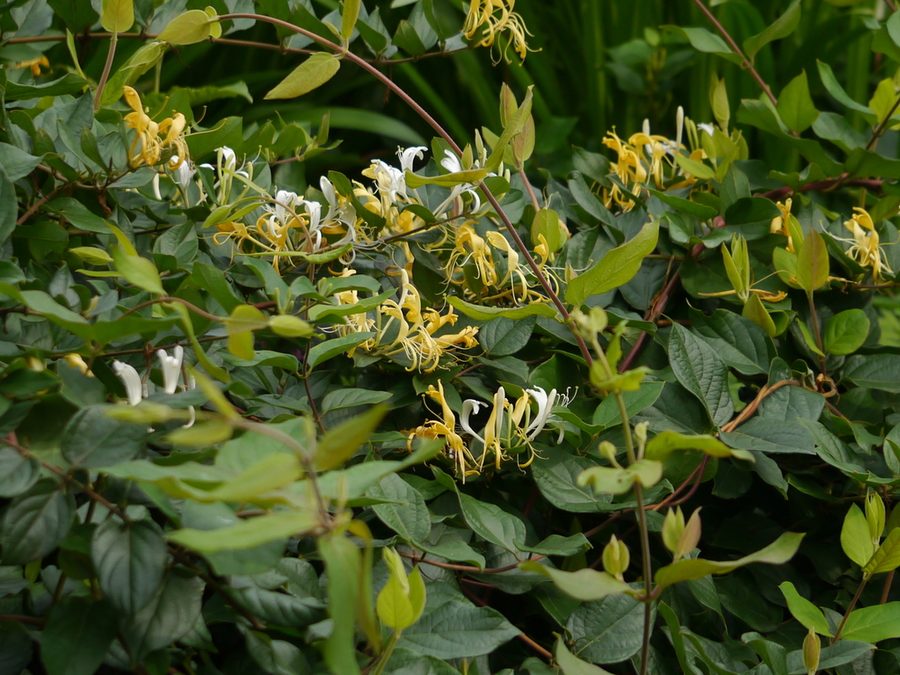
Japanese Honeysuckle Lonicera japonica Mid May – July ►
A vigorous twining vine that smothers shrubs and small trees by girdling stems and blocking sunlight. Highly fragrant white and yellow flowers are attractive to long-tongued bees and hummingbirds, which contributes to its spread. It remains green well into winter in zone 6, giving it a competitive edge over dormant natives. Common along roadsides, forest edges, and fencerows throughout NKY. Control: cut vines at the base and treat stumps, or apply herbicide to foliage in late fall when natives are dormant.
Callery Pear Pyrus calleryana Late March – Early April ►
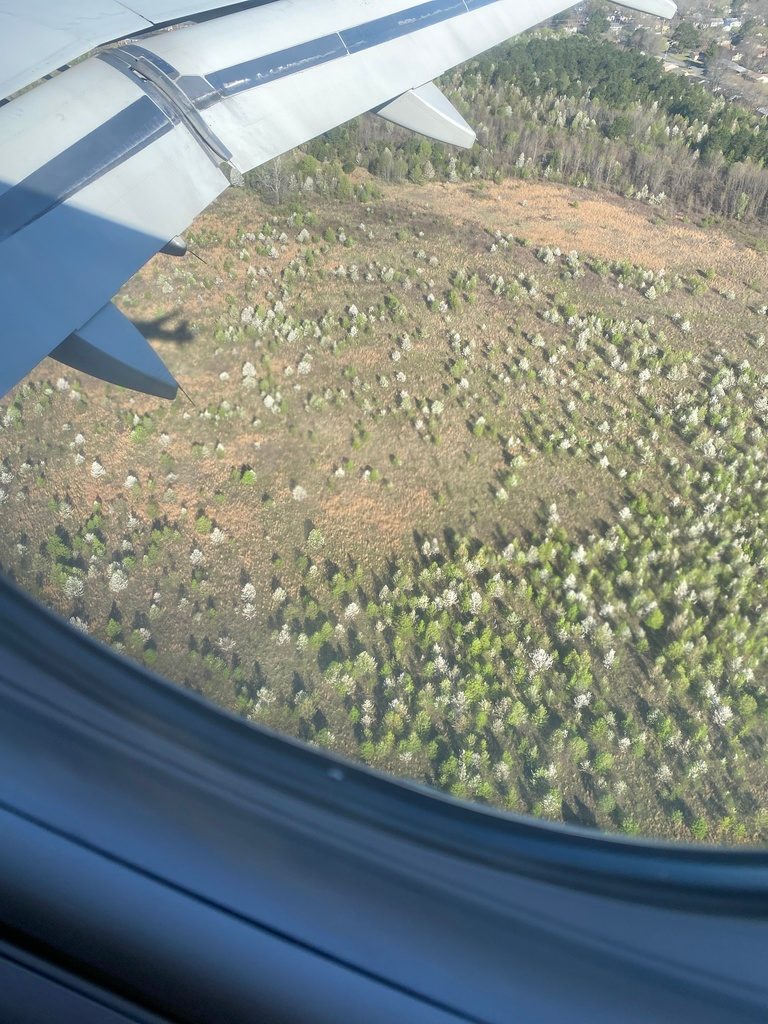
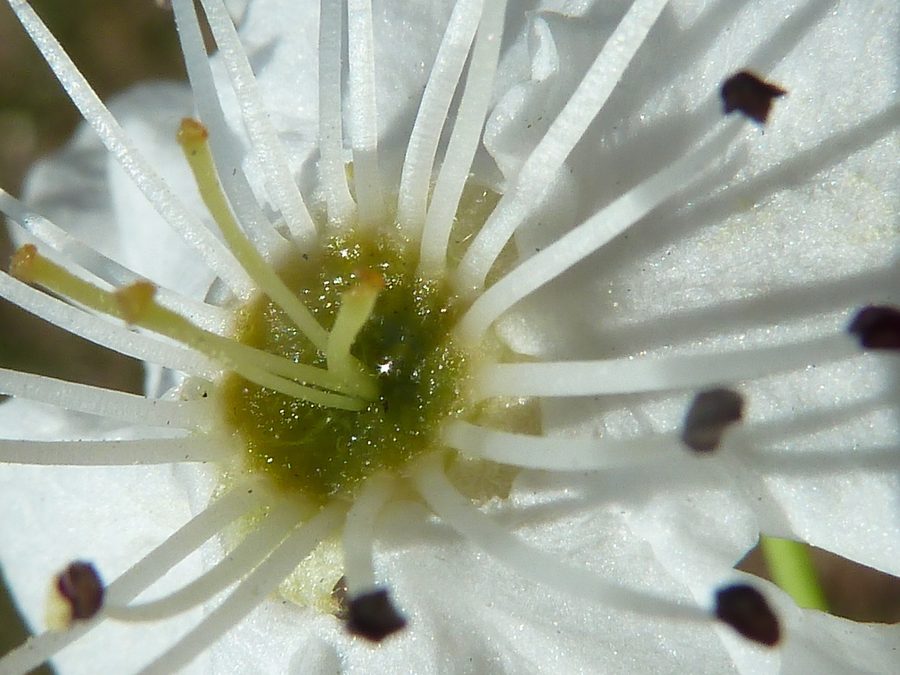
Widely planted as a landscaping tree ("Bradford Pear"), Callery Pear has escaped cultivation and is spreading aggressively across Kentucky roadsides and old fields. Different cultivars cross-pollinate, producing viable seeds spread by birds. The early, abundant white blossoms are one of the first spring nectar sources for bees, but the trade-off is severe ecological disruption. Kentucky banned the sale of Callery Pear in 2023. Established wild trees should be cut and the stump treated with herbicide immediately after cutting.
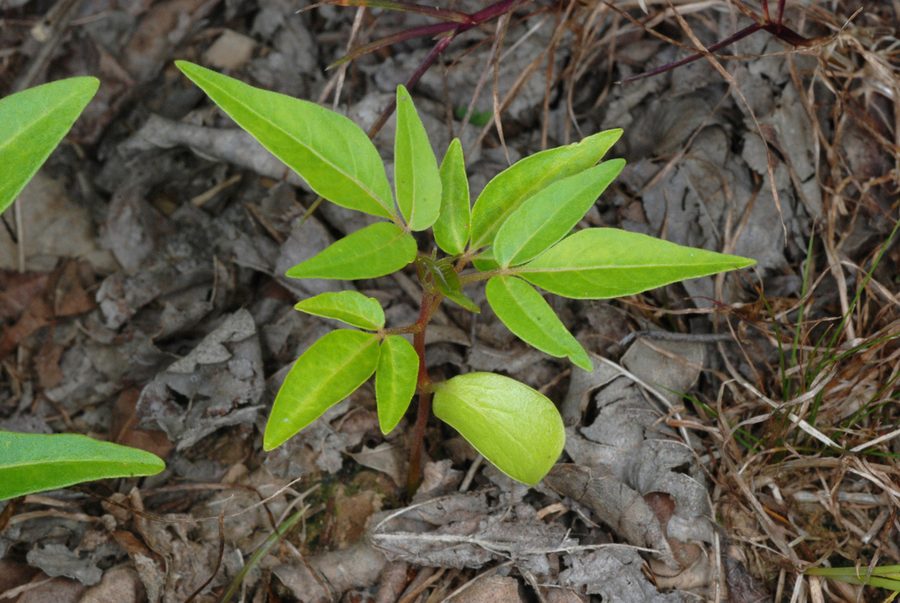
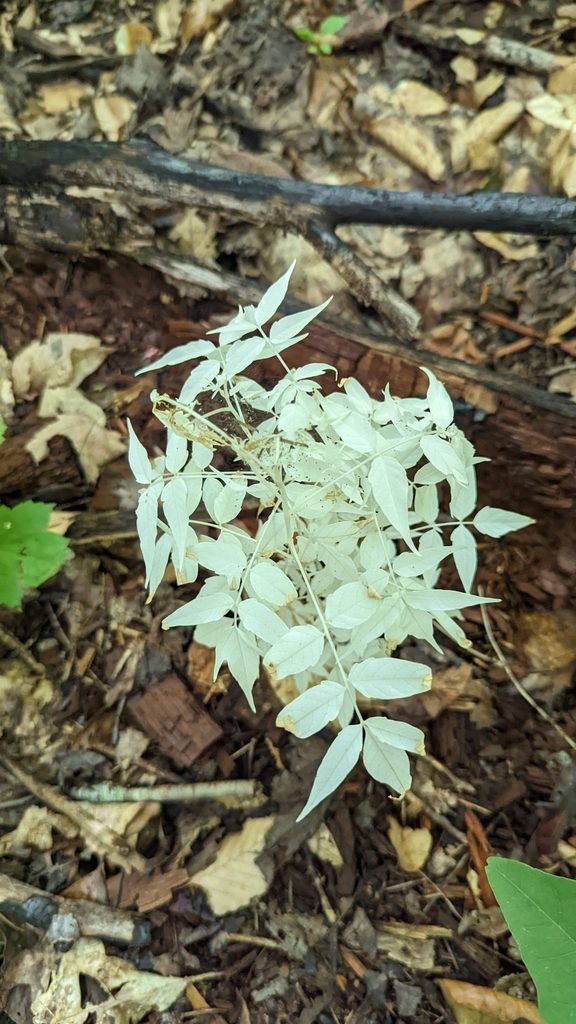
Tree of Heaven Ailanthus altissima Mid June – July ►
A fast-growing tree that can reach 80 feet and tolerates almost any condition — cracked pavement, compacted roadsides, steep slopes. It produces allelopathic chemicals that suppress surrounding vegetation and spreads aggressively by root sprouts and prolific seed. The flowers produce a strong, unpleasant odor. It is also the preferred host of the Spotted Lanternfly pest, making control in NKY a high priority. Cutting alone triggers massive suckering; basal bark herbicide treatment is most effective.
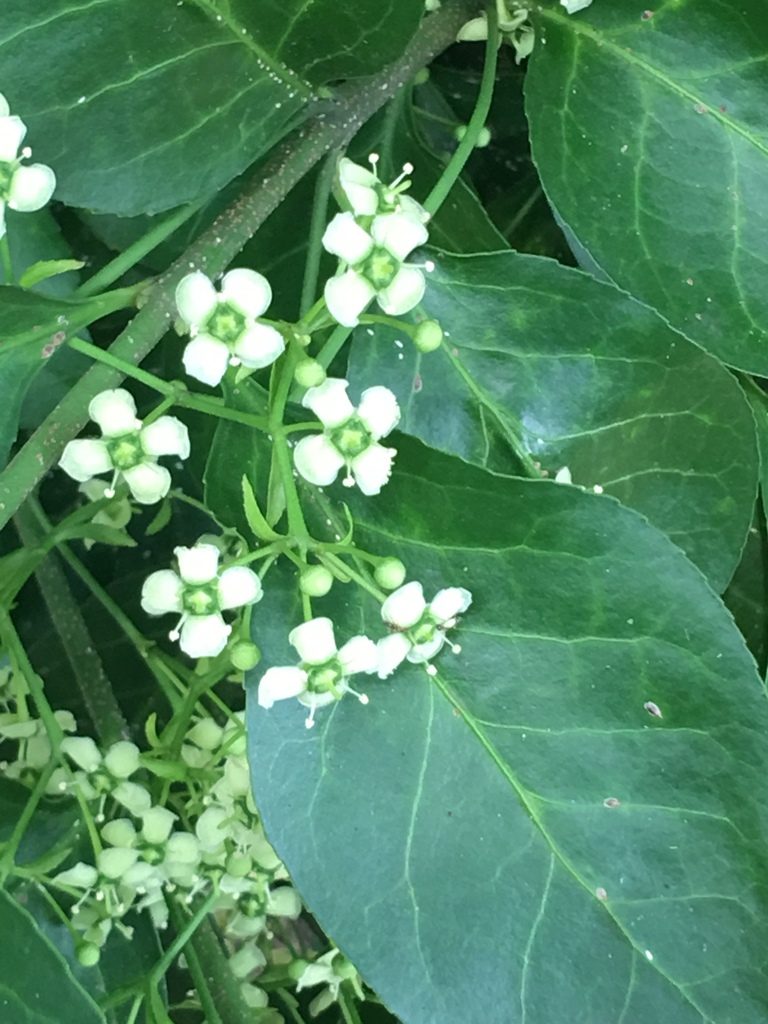
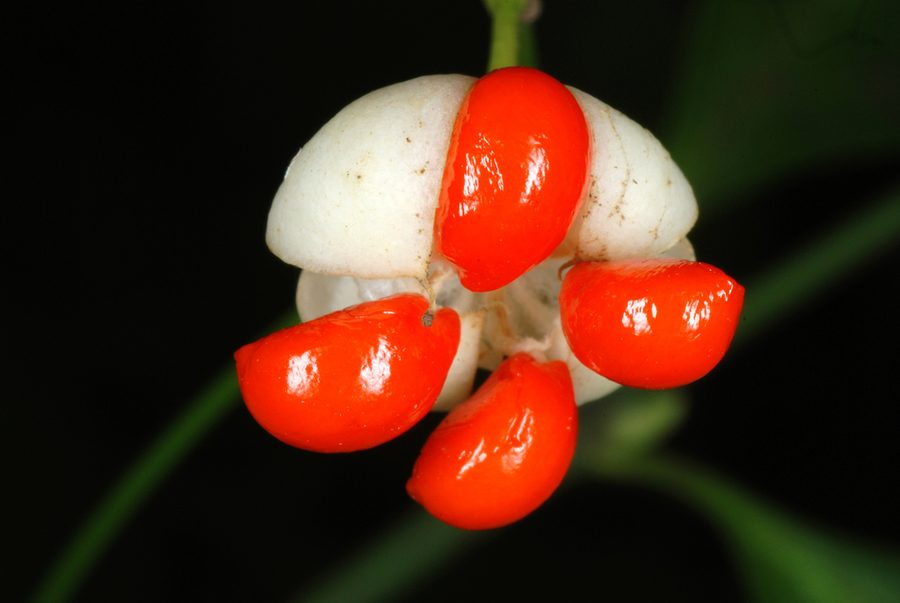
Wintercreeper Euonymus fortunei Late June – July ►
Still widely sold as a ground cover, Wintercreeper is one of the most shade-tolerant invasives in Kentucky and forms dense mats that eliminate forest wildflowers and tree seedlings. It climbs trees like ivy, eventually killing them. The small greenish-white flowers attract pollinators, and the pink seed capsules are spread by birds. Control: pull young plants by hand; larger patches require repeated herbicide application. Avoid planting near natural areas.
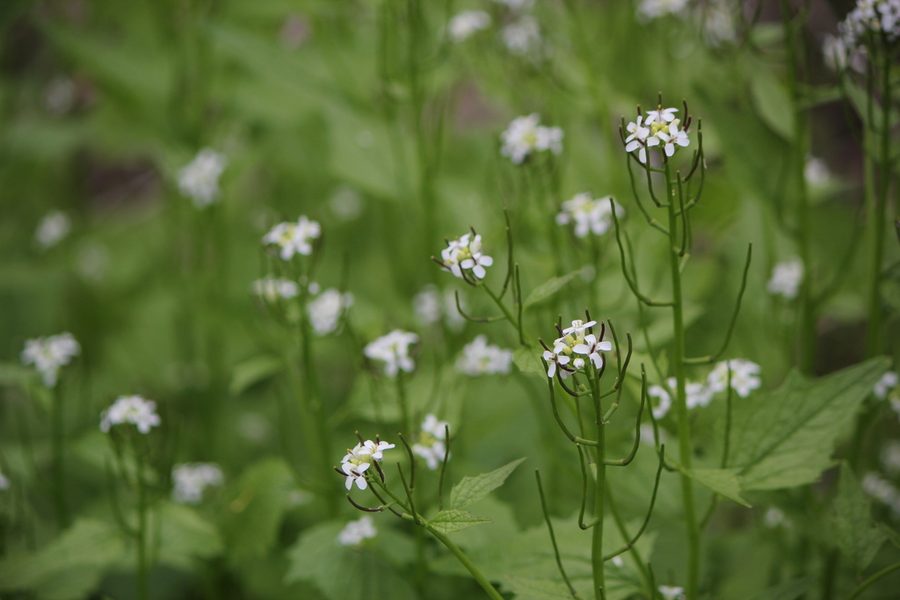
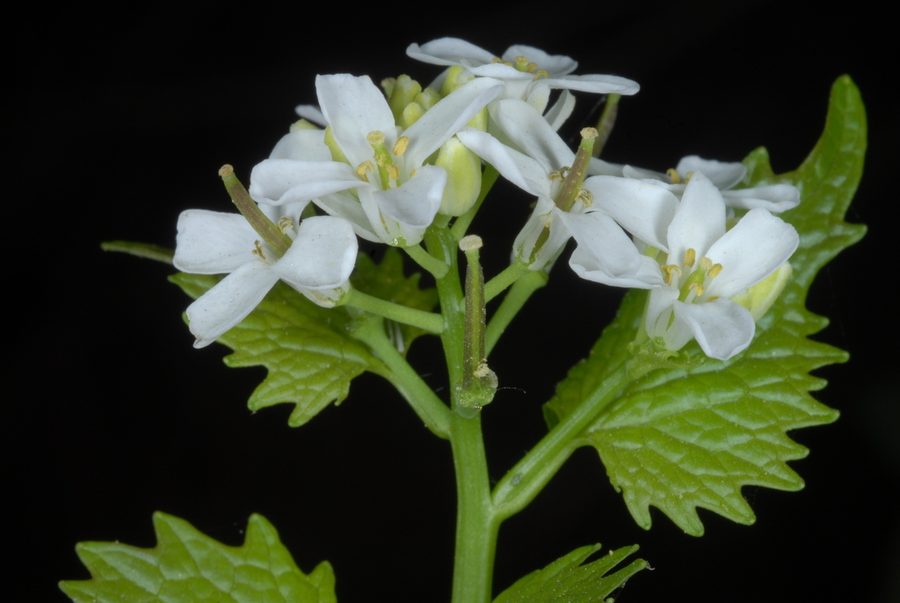
Garlic Mustard Alliaria petiolata April – Mid May ►
A biennial herb that dominates moist forest floors across NKY. It releases chemicals that disrupt the soil fungi (mycorrhizae) that native trees depend on, causing long-term forest degradation. Each plant produces hundreds of seeds that persist in the soil for up to 5 years. The small white flowers provide modest early-spring nectar. Pull plants before seed set (April–May) and bag them — stems continue to ripen seeds even after pulling. Repeated removal over several years is necessary to exhaust the seed bank.
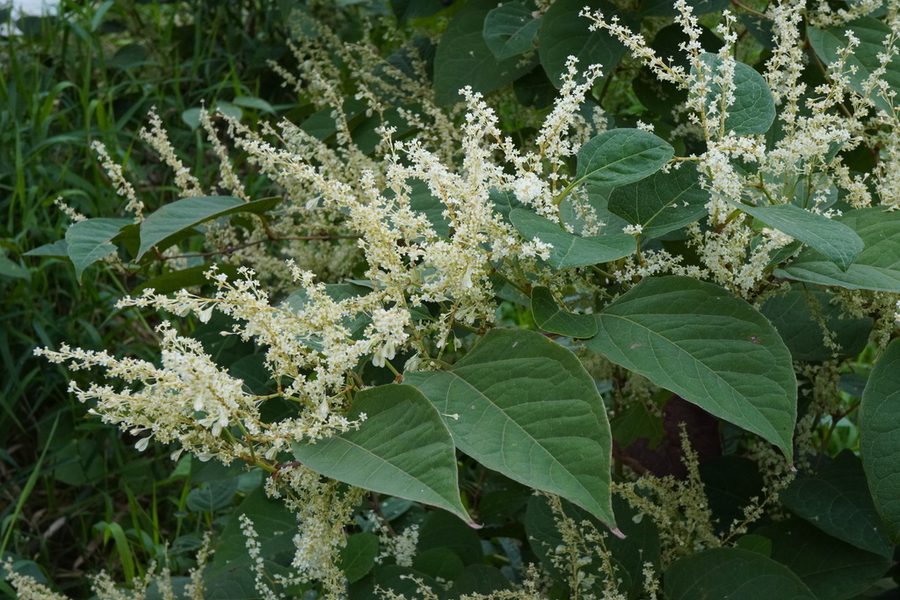
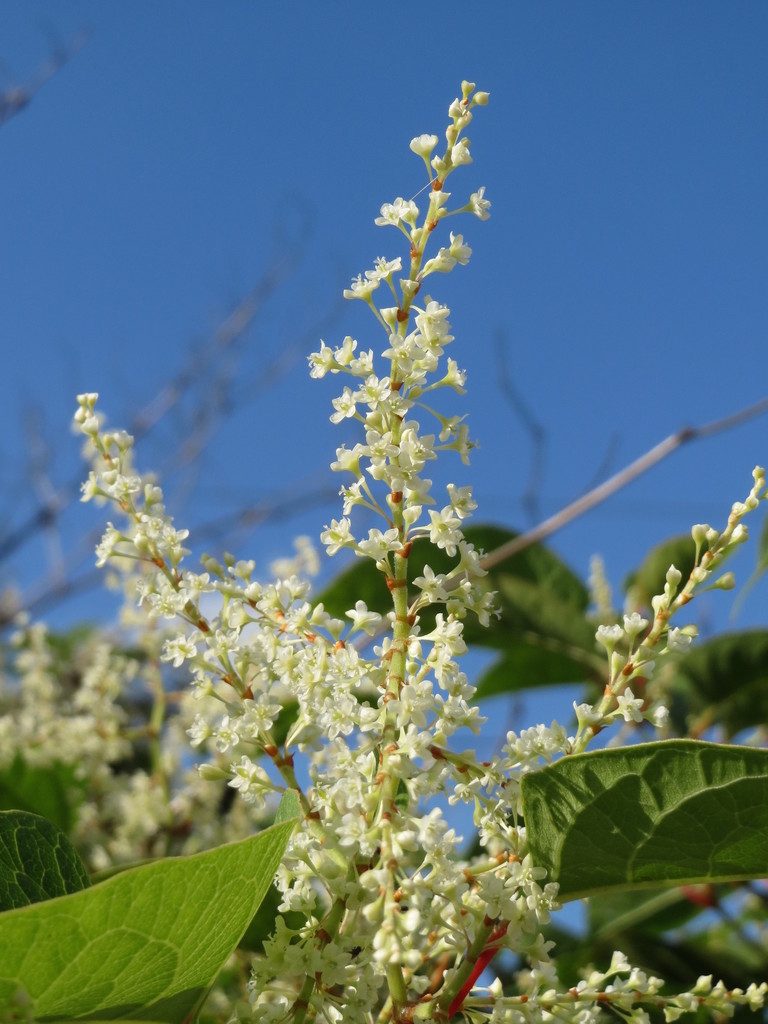
Japanese Knotweed Reynoutria japonica Late August – October ►
One of the most difficult invasives to control in the world. Knotweed forms massive cane-like thickets up to 10 feet tall along stream banks and roadsides in NKY. Its rhizome system can extend 20+ feet and penetrate through asphalt and foundations. A single fragment can start a new colony. The late-summer cream-colored flowers are a valuable nectar source for bees, including producing a distinctive honey, but the ecological damage far outweighs this benefit. No physical removal method is fully effective; sustained herbicide programs are required.
Multiflora Rose Rosa multiflora Late May – June ►
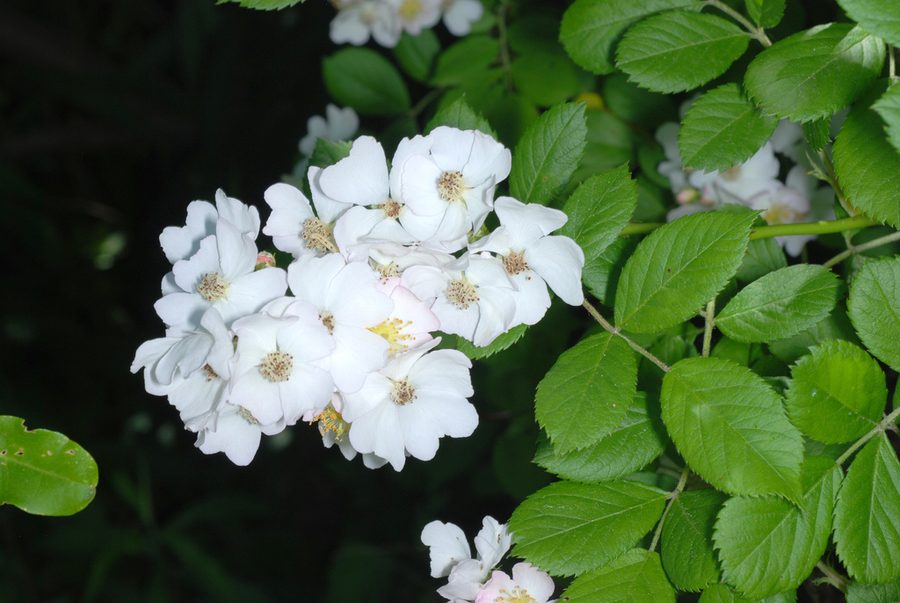
Originally promoted by government agencies as a "living fence" and for wildlife habitat, Multiflora Rose is now classified as a noxious weed in Kentucky. It forms impenetrable thorny thickets in old fields, pastures, and forest edges. The white flower clusters are fragrant and well-visited by bees; small red hips are eaten by birds, spreading seeds widely. Goats are an effective biocontrol agent. Mechanical removal must be repeated for several years; stems resprout vigorously from the roots.
English Ivy Hedera helix September – October ►
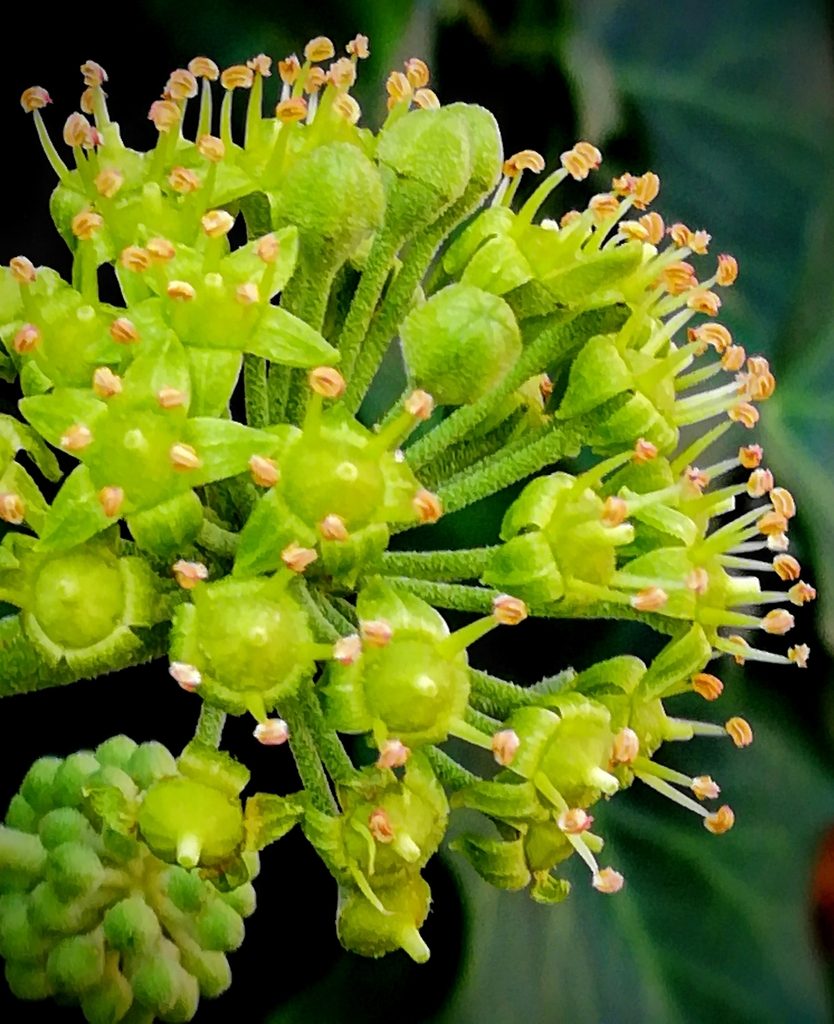
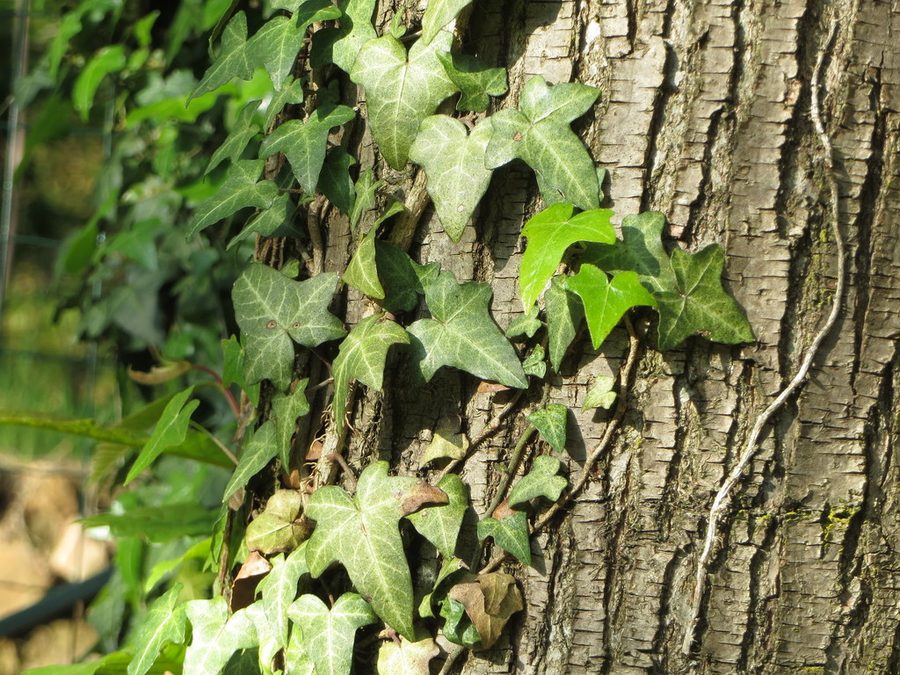
English Ivy is the dominant ground cover in many NKY suburbs and is aggressively spreading into urban forests. It climbs trees by aerial rootlets, adding weight that topples trees in storms (called "ivy deserts"). The adult-form foliage produces late-fall flowers that are a significant nectar source for honey bees and native bees preparing for winter — one of the last nectar flows of the season in zone 6. Despite this value, the ecological harm justifies removal from natural areas. Pull by hand and cut vines climbing trees in a "ivy ring" at chest height.
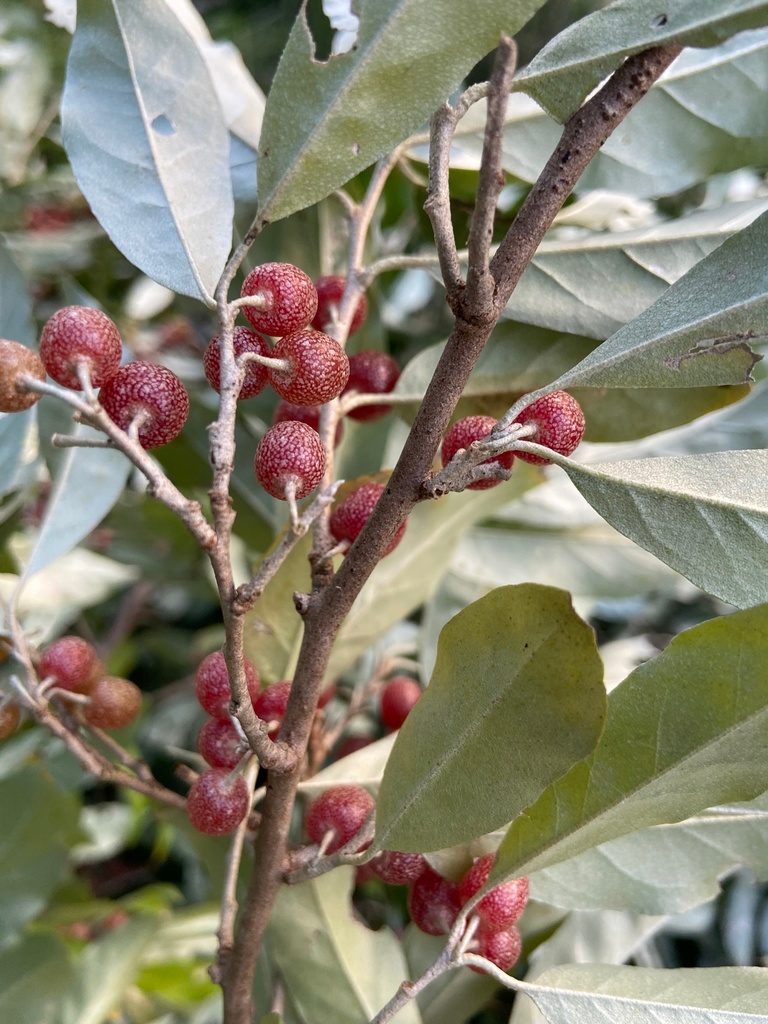
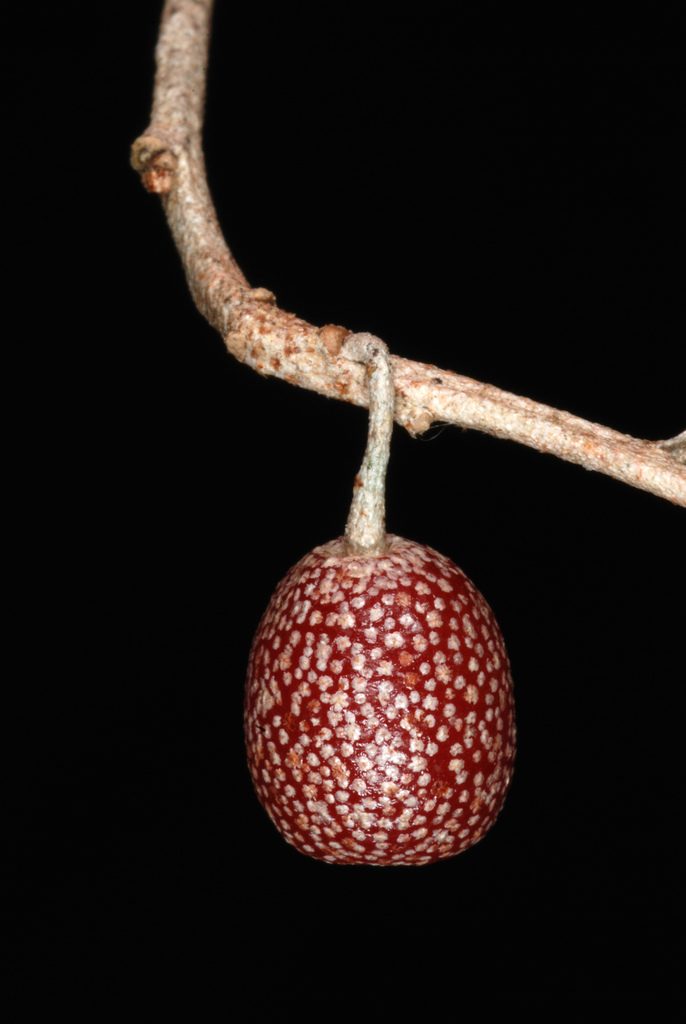
Autumn Olive Elaeagnus umbellata Mid May – Early June ►
Autumn Olive was widely planted for wildlife habitat and soil improvement (it fixes nitrogen). However, its nitrogen-fixing ability actually enriches soil in ways that favor other invasives over native plants adapted to leaner soils. It produces thousands of small red berries eagerly eaten and spread by birds, and can dominate old fields in a few decades. The fragrant yellow-white flowers are highly attractive to bees and produce quality honey. Kentucky now lists it as a prohibited invasive. Cut stumps must be immediately treated with herbicide to prevent suckering.