Forage Foods
Wild edible plants found in Northern Kentucky around ZIP 41018 — harvest windows, identification tips, and preparation notes. Most are native species that also support pollinators. Click any plant name to expand its full profile.
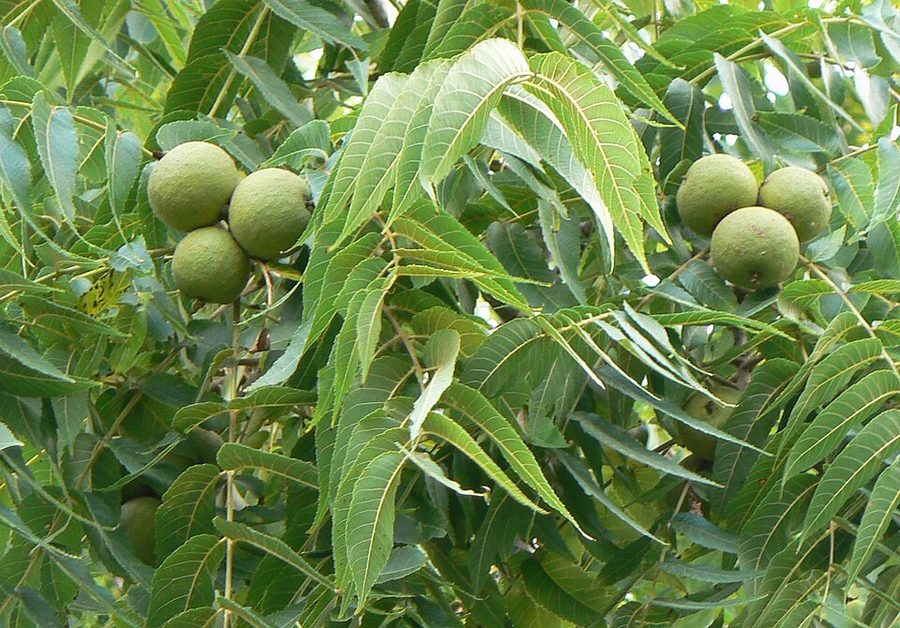
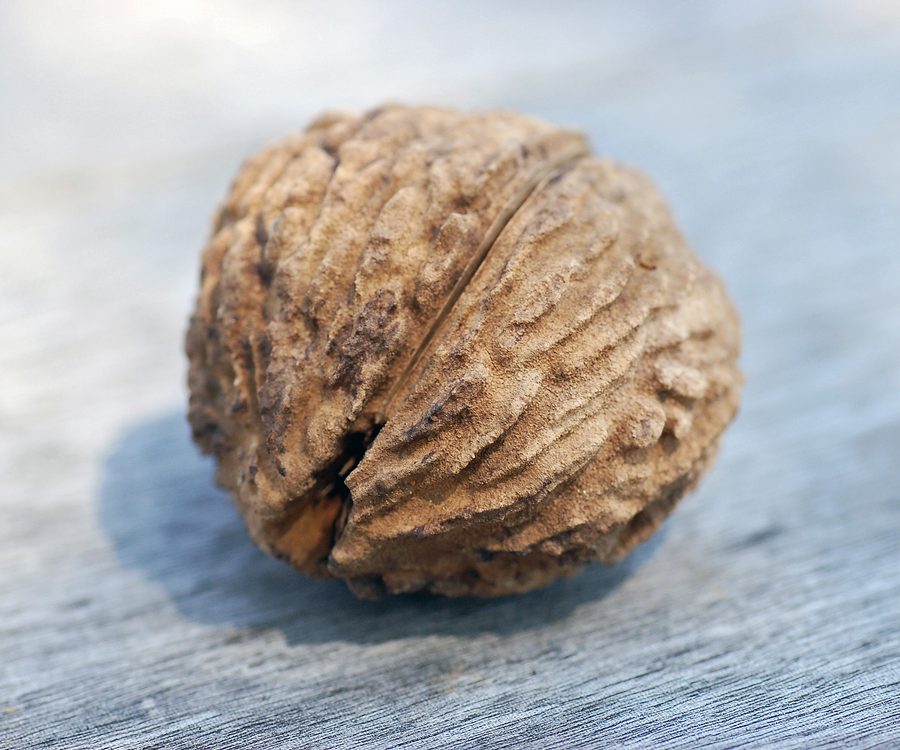
Black Walnut Juglans nigra September – October ►
Black Walnut is one of NKY's most rewarding wild foods, producing rich, intensely flavored nuts prized in baking and cooking. Trees are common in bottomlands and forest edges throughout the region. Nuts fall in September–October inside a thick green hull that stains skin and clothing dark brown (wear gloves). The traditional method is to hull the nuts by driving over them or stomping, then rinsing. After hulling, cure nuts in the shell for 2–4 weeks in a dry, ventilated spot before cracking. Meat is hard to extract but worth the effort. Caution: trees release juglone, which is toxic to many garden plants within their root zone.
Dandelion Taraxacum officinale March – November (leaves year-round) ►
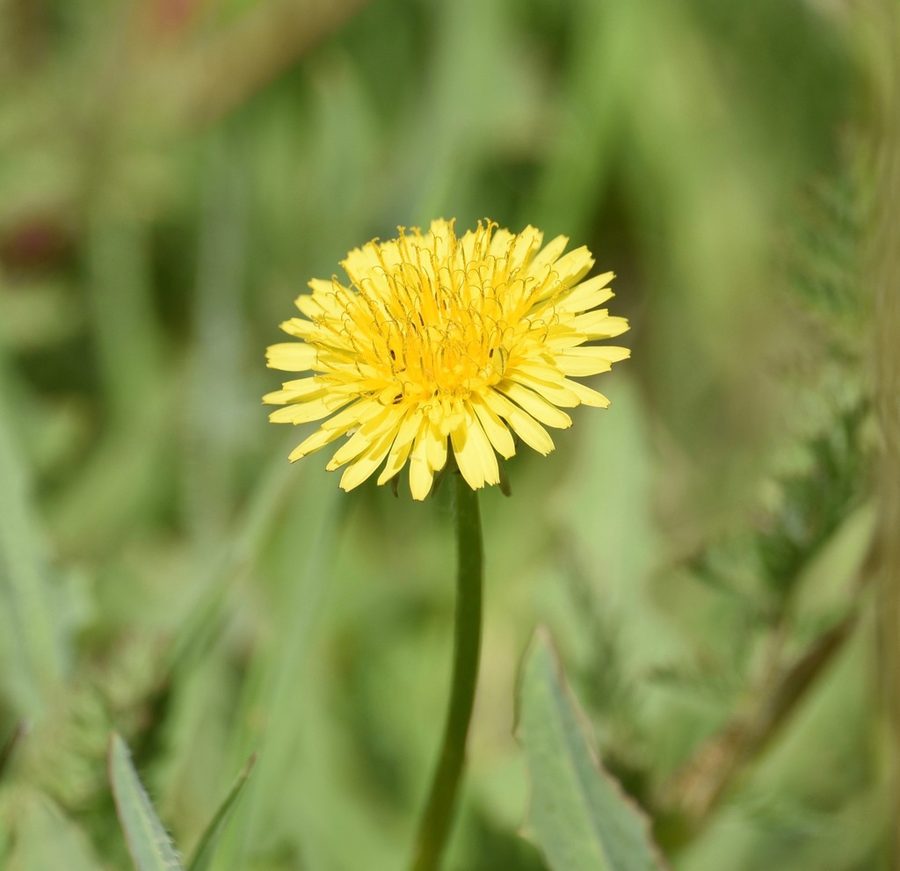
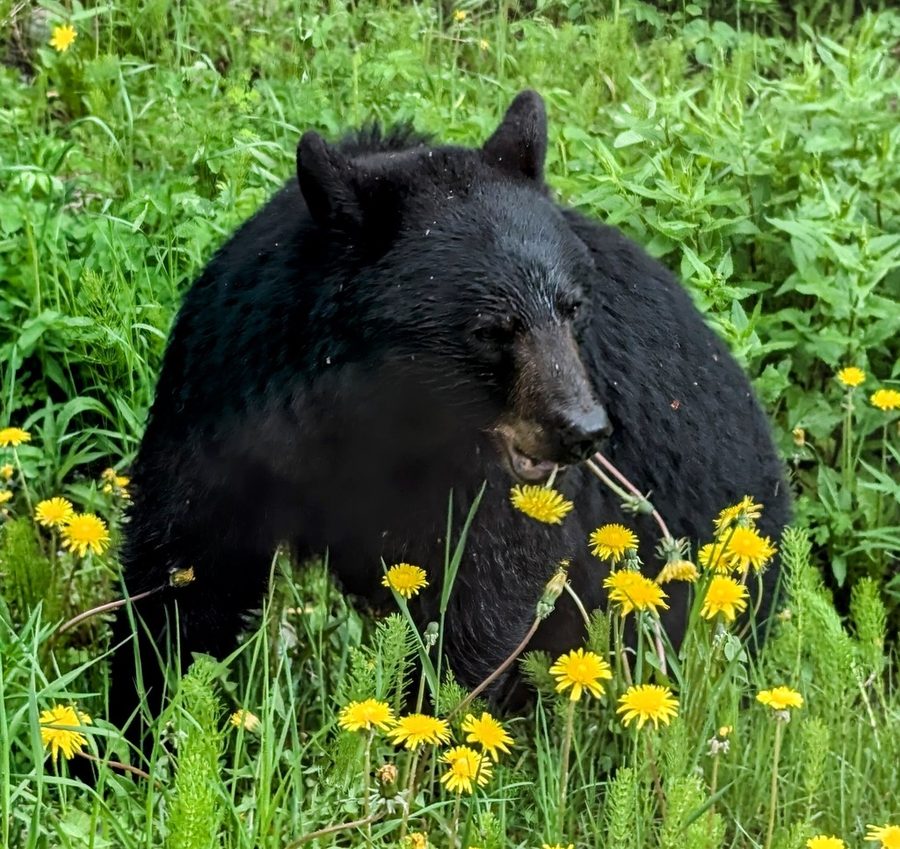
Dandelion is arguably the most accessible wild edible in Northern Kentucky — abundant in lawns, roadsides, and open fields from early spring through late fall. Every part is edible. Young spring leaves (before flowering) are the mildest and best for raw salads or sautéed greens; older leaves become increasingly bitter and are better cooked with garlic and oil. The bright yellow flowers can be eaten raw, battered and fried, or used to make dandelion wine and jelly. Roots can be roasted and ground as a caffeine-free coffee substitute. Introduced from Europe, dandelion is one of the earliest and most reliable nectar sources for bees in NKY, making it a valuable plant for the apiary as well. Harvest from areas free of herbicide and pesticide applications.
Elderberry Sambucus canadensis Late August – September ►
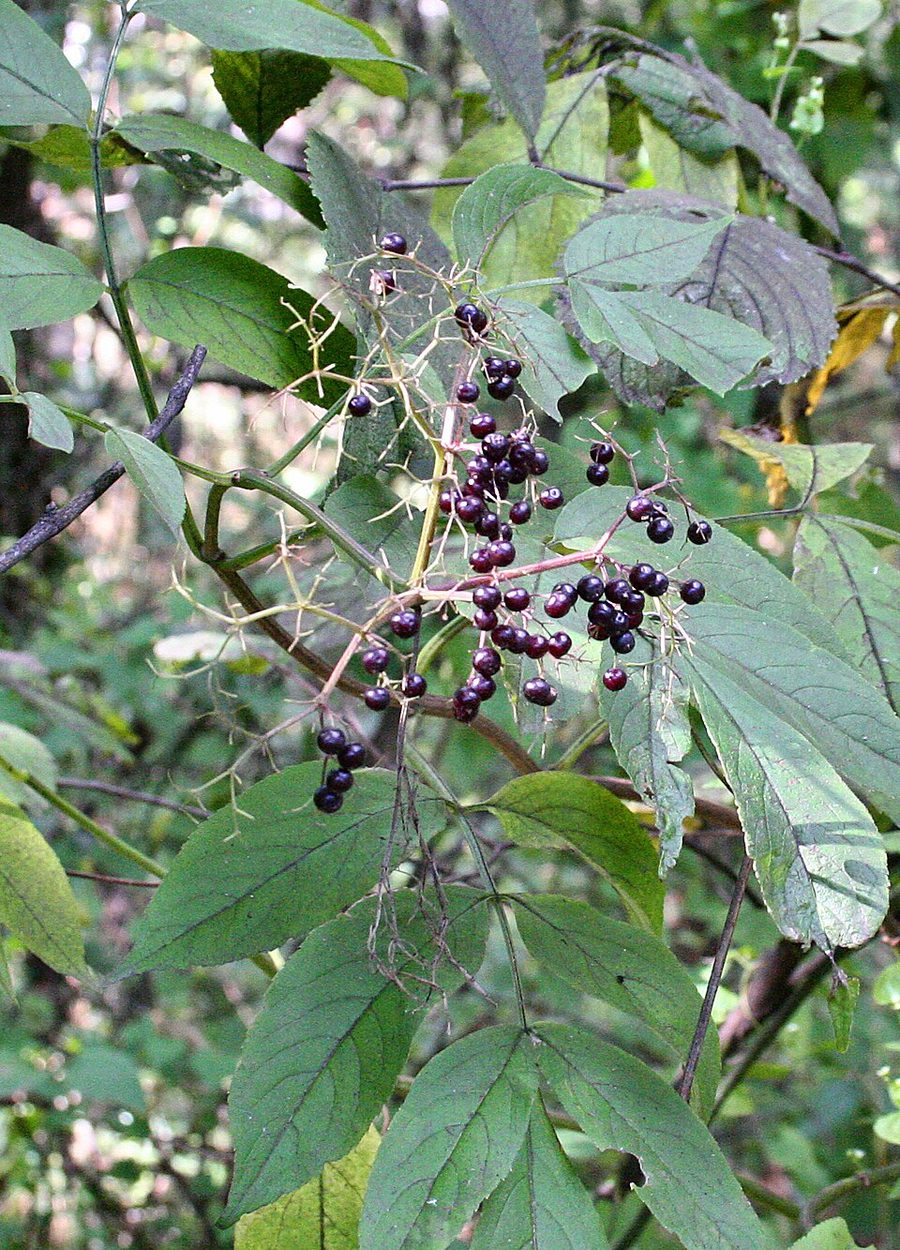
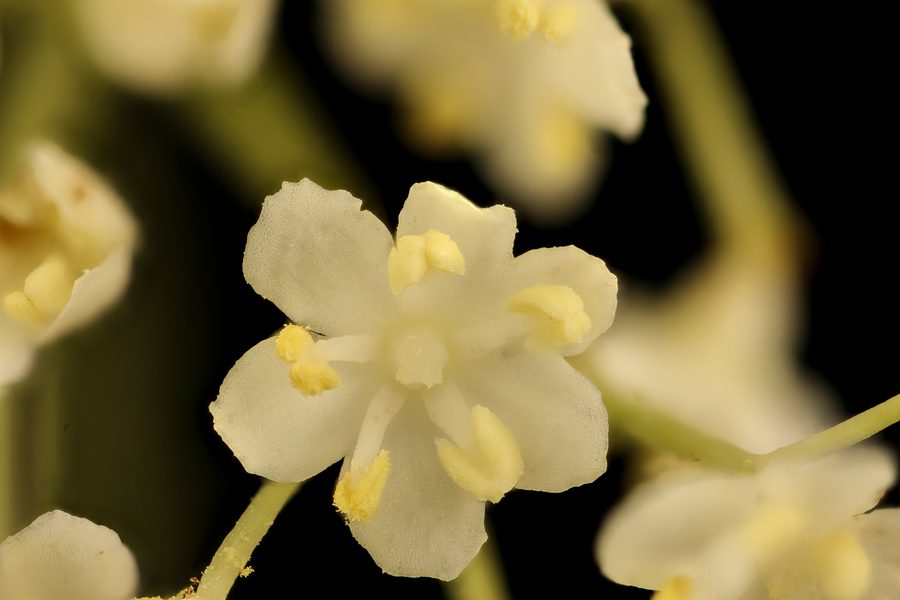
Common native shrub found along stream banks, roadsides, and forest edges throughout NKY. The large flat-topped white flower clusters (elderflowers) appear in June and can be used to make elderflower syrup, fritters, or cordial. The dark purple-black berries ripen in late August and are excellent for elderberry syrup, jelly, wine, and pies — and are well-known for immune-supporting properties. Important: raw berries and all green parts contain cyanogenic glycosides and should not be eaten raw in large quantities; always cook the berries. Do not confuse with pokeweed, which has solid magenta stems (elderberry stems are hollow and tan/gray).
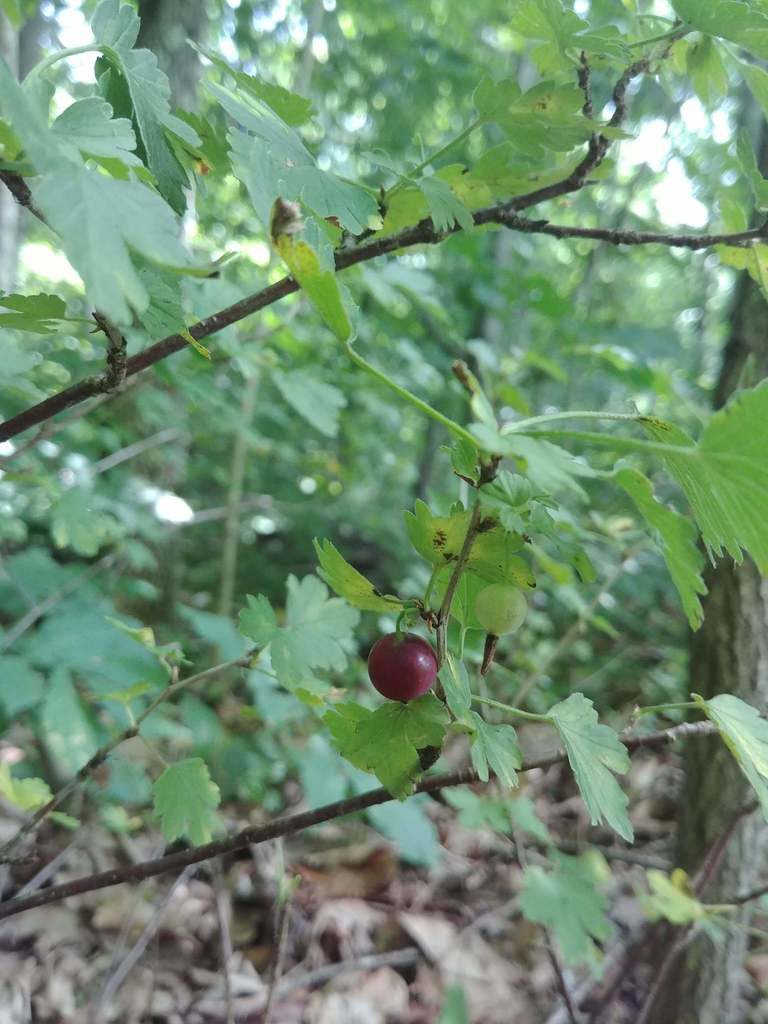
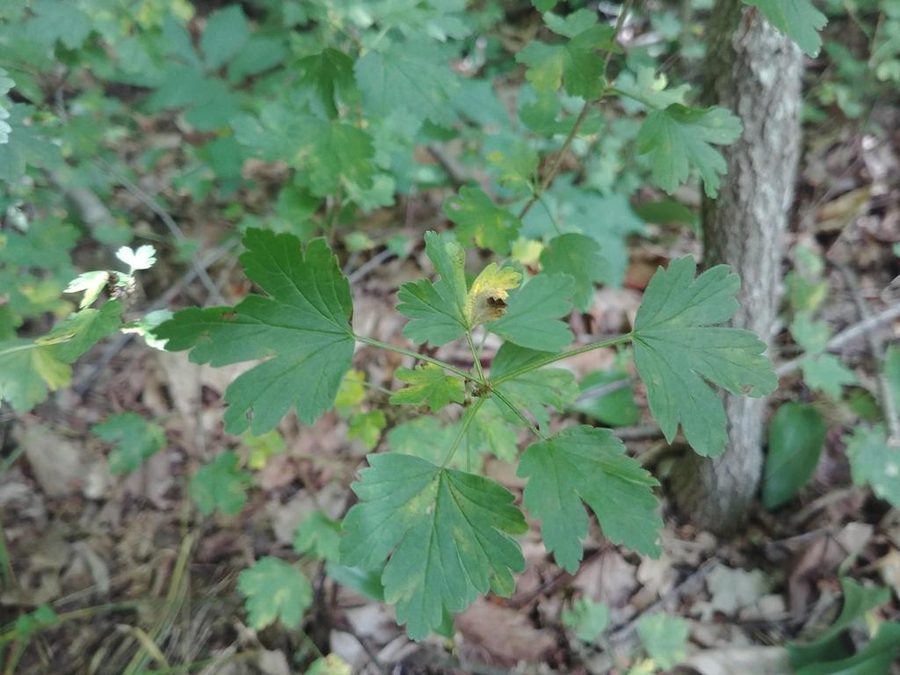
Gooseberry Ribes hirtellum June – July ►
Wild gooseberry is a low-growing native shrub found in moist woodlands, ravines, and stream banks throughout Northern Kentucky. The tart, translucent berries ripen in June through July and are excellent for jam, pies, crumbles, and preserves — they are high in pectin and set up easily. Fully ripe berries are greenish to reddish-purple and soften slightly; under-ripe berries are very sour and best for cooked applications. The shrub has small thorns along the stems, so light gloves are helpful when harvesting. Wild gooseberries are smaller than cultivated varieties but more intensely flavored. The flowers are an early spring nectar source for bees and native pollinators.
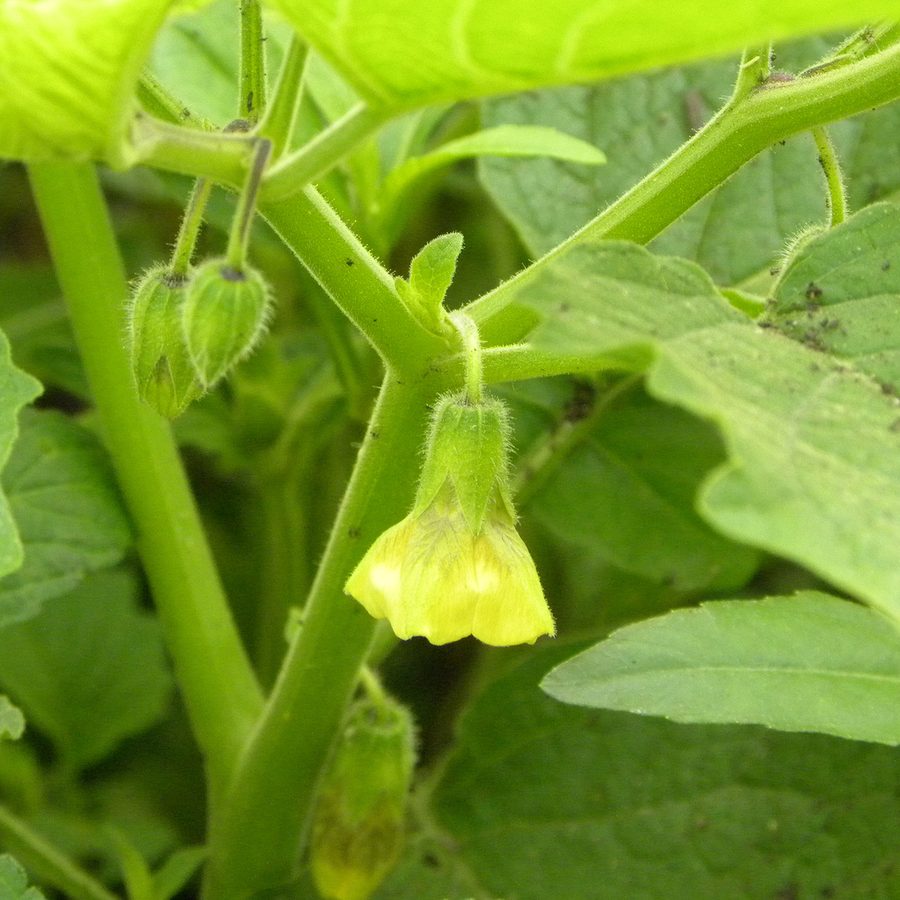
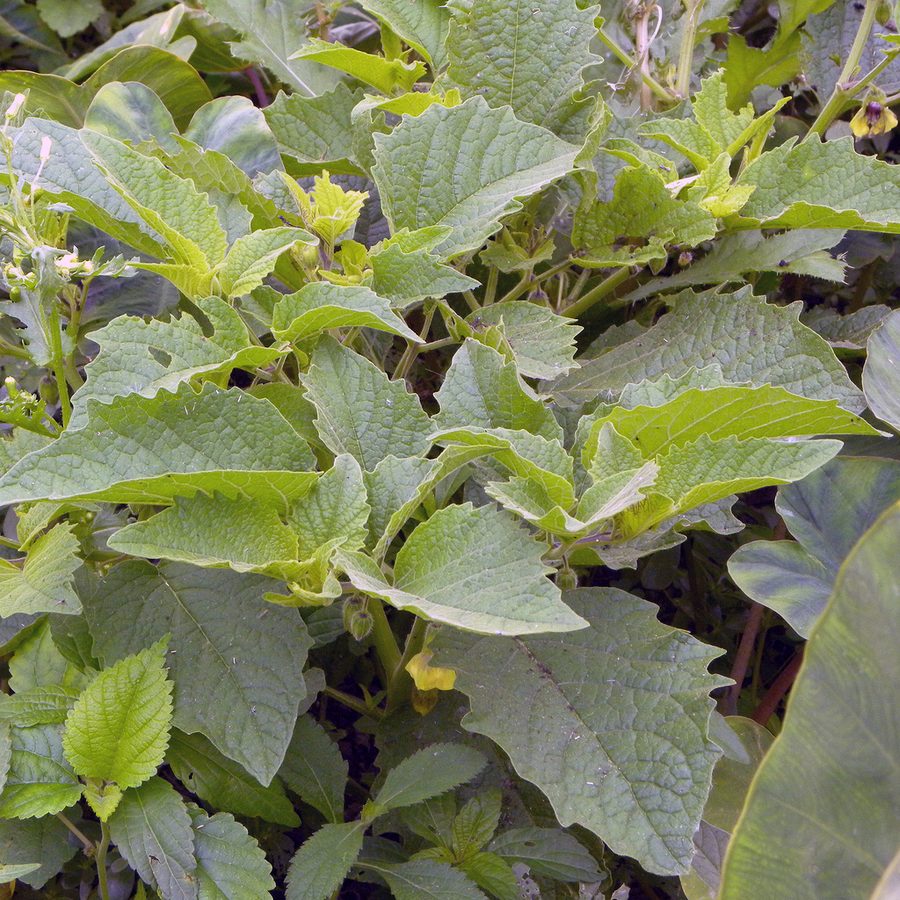
Ground Cherry Physalis heterophylla August – October ►
Ground cherry is a native relative of the tomatillo found in old fields, garden edges, and disturbed areas throughout NKY. The small yellow-orange berries ripen inside a papery tan husk (resembling a paper lantern) in late summer through fall. The flavor is a unique blend of sweet, tropical, and slightly vanilla-like — delicious eaten fresh out of the husk, baked into pies or crumbles, or made into jam and salsa. The husk turns from green to tan and papery when ripe; berries inside should be golden-yellow, not green. Berries that have fallen to the ground in their husks are typically ripe. Important: only the ripe berry inside is edible — the husk and unripe fruit contain solanine-like compounds and should not be eaten.
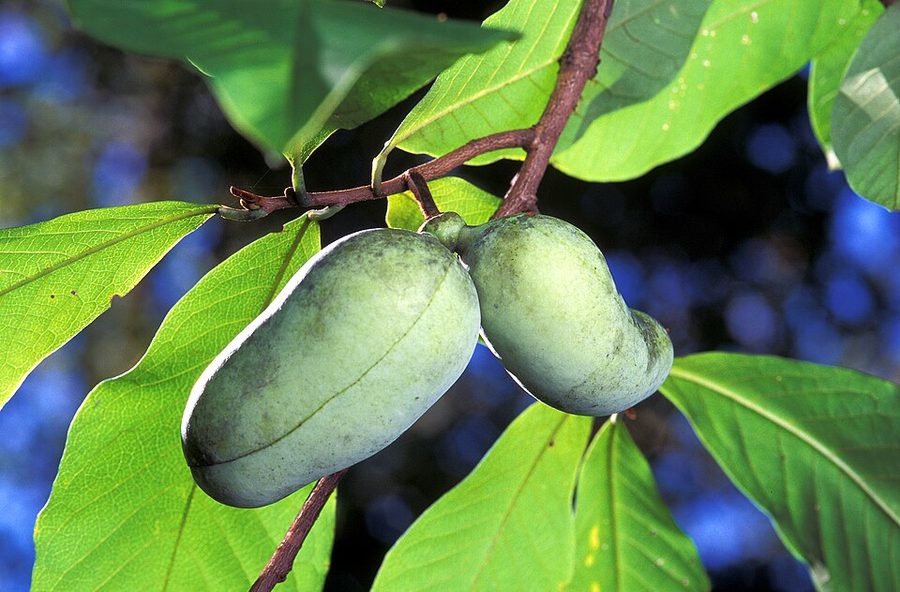
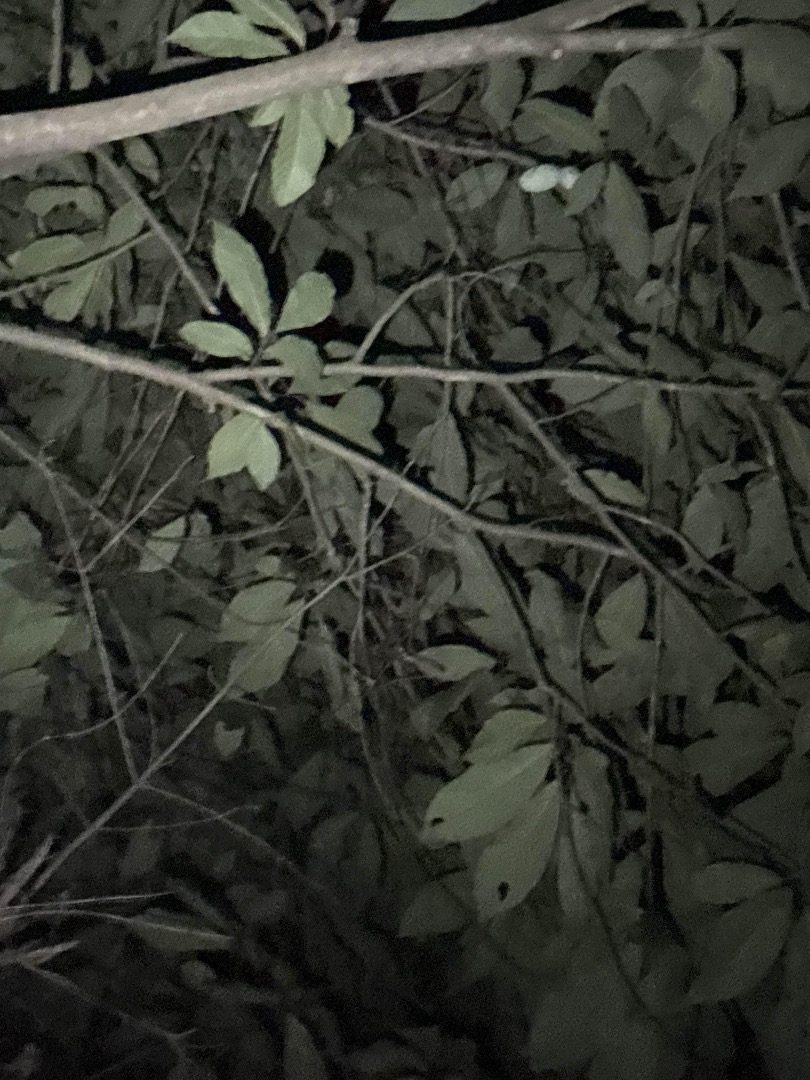
Pawpaw Asimina triloba Late August – October ►
The Pawpaw is the largest native fruit in North America and one of NKY's best-kept secrets. It grows in dense colonies (patches) in moist bottomland forests along streams and rivers throughout the region. The tropical-tasting fruit — a cross between banana, mango, and vanilla custard — ripens in late August through October. Fruits fall naturally when ripe and don't ship well, so they are almost never sold commercially; wild foraging is the main way to enjoy them. Pawpaws are pollinated by flies and beetles rather than bees, so patches can benefit from hand-pollination. Refrigerate harvested fruit and use within a few days. Skin and seeds are not edible.
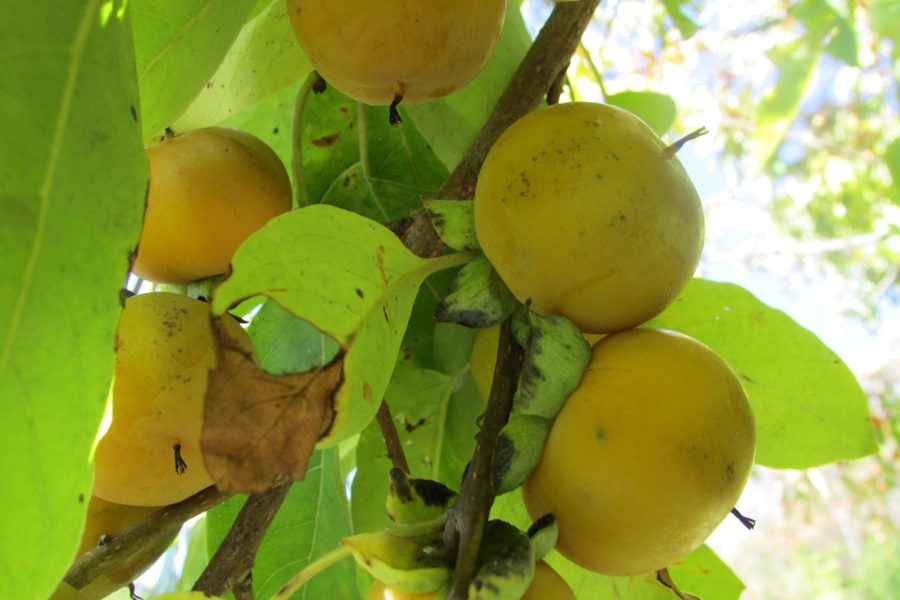
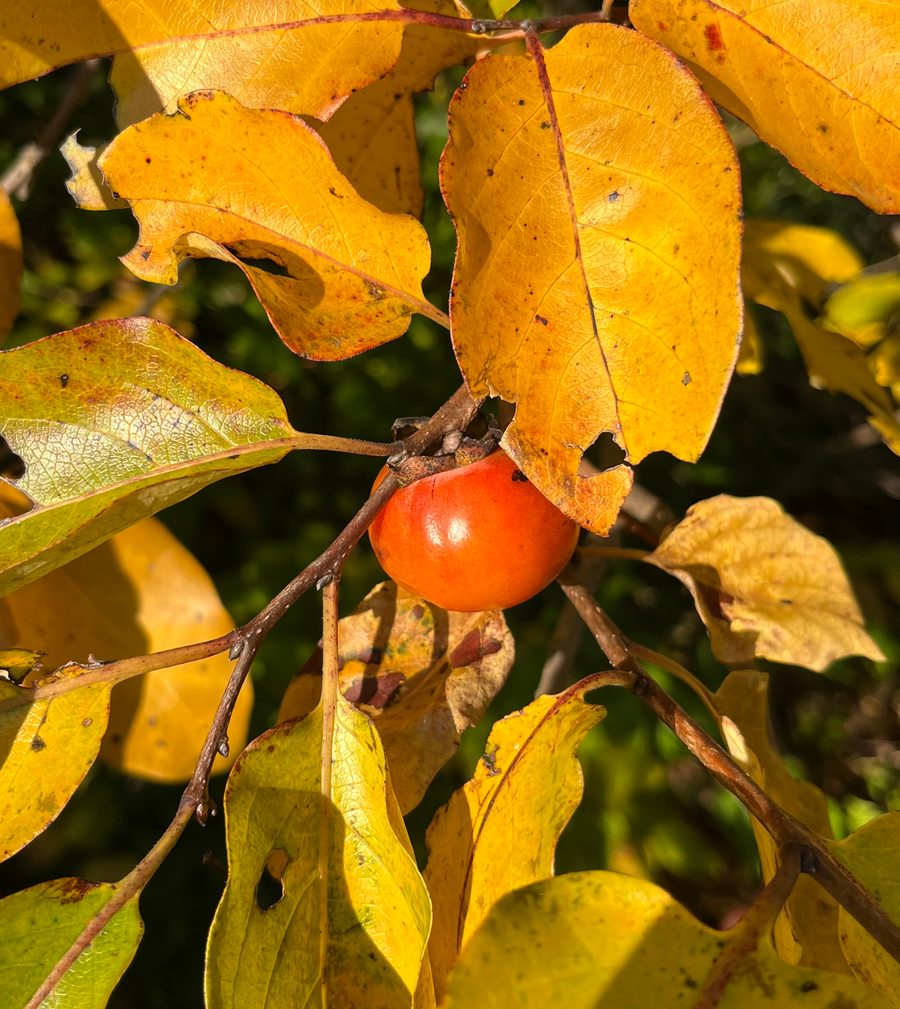
Common Persimmon Diospyros virginiana October – November (after frost) ►
The native American persimmon is common in old fields, forest edges, and roadsides throughout NKY and produces one of the sweetest wild fruits available in late fall. Unripe fruit is famously astringent — puckering and unpleasant — due to high tannin content. A hard frost breaks down the tannins and transforms the fruit into something sweet, rich, and almost date-like. Trees are dioecious (male and female plants separate), so you need both nearby for fruit. The small orange fruits drop when ripe; collect from the ground after the first frost. Used traditionally in persimmon pudding — a classic Kentucky dish — as well as jam, bread, and cookies.
Wild Black Raspberry Rubus occidentalis Late June – July ►
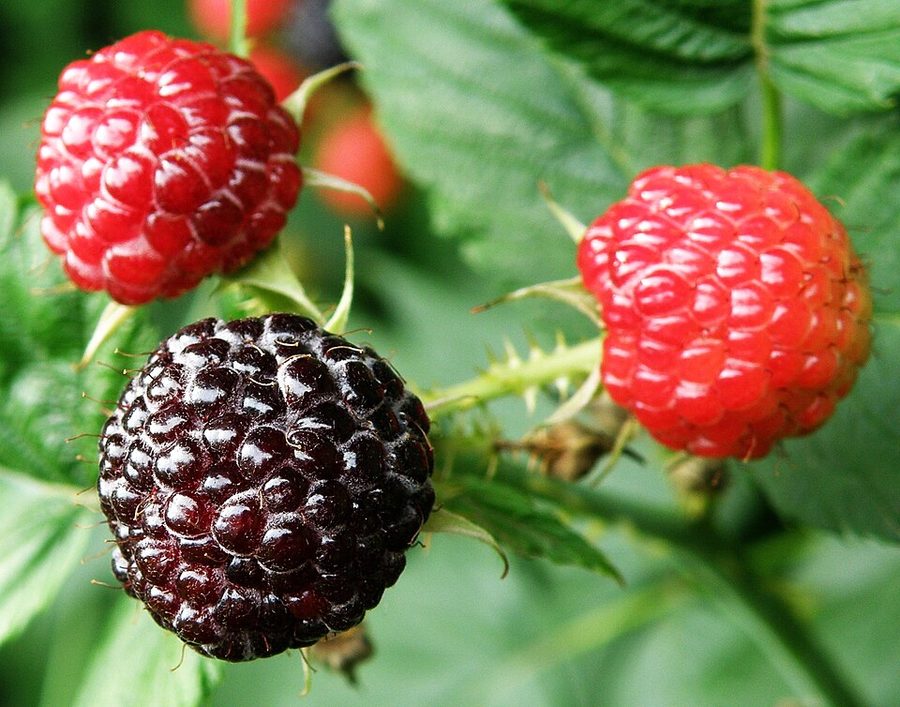
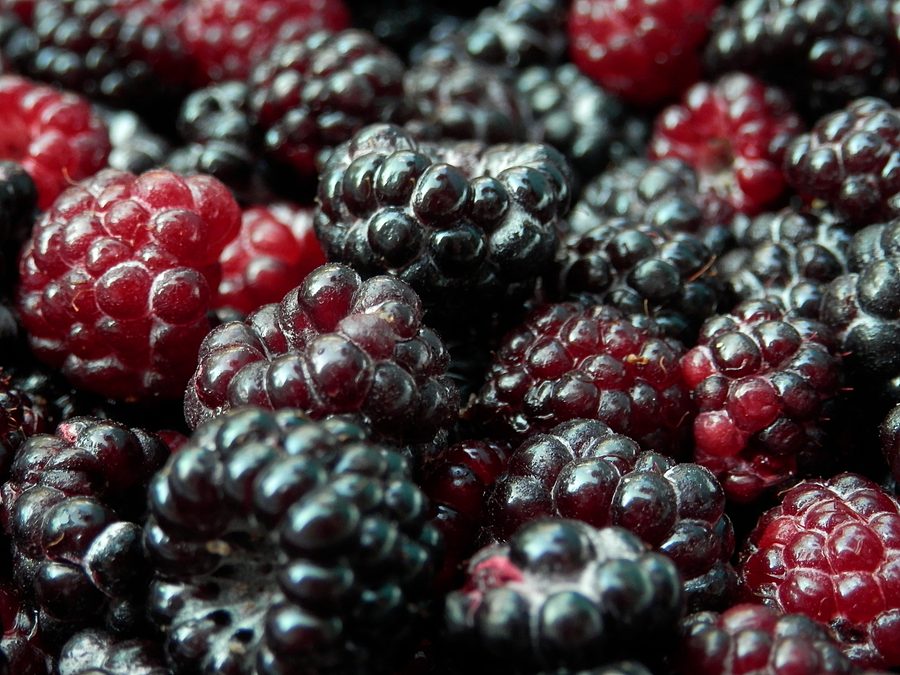
Wild Black Raspberry is one of the most common and delicious wild berries in Northern Kentucky, fruiting along roadsides, old fields, and forest edges from late June into July. The canes are arching and bristly with a distinctive blue-white bloom (waxy coating) on the first-year canes — a key ID feature that distinguishes them from blackberries. Ripe berries are smaller and more intensely flavored than cultivated varieties, excellent fresh or in jam, pie, and syrup. Thorny canes require long sleeves for picking. The same canes produce bountiful nectar for bees when in bloom in May, making this a plant that rewards both the beekeeper and the forager.
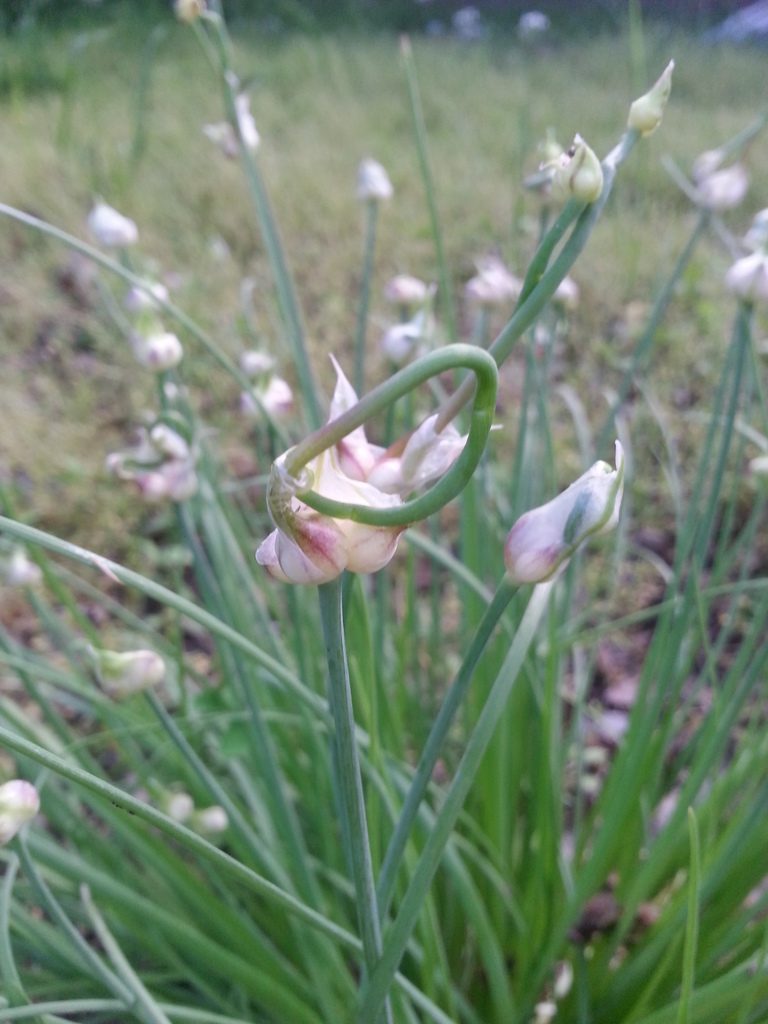
Wild Garlic Allium vineale March – June (leaves); June – July (bulbs) ►
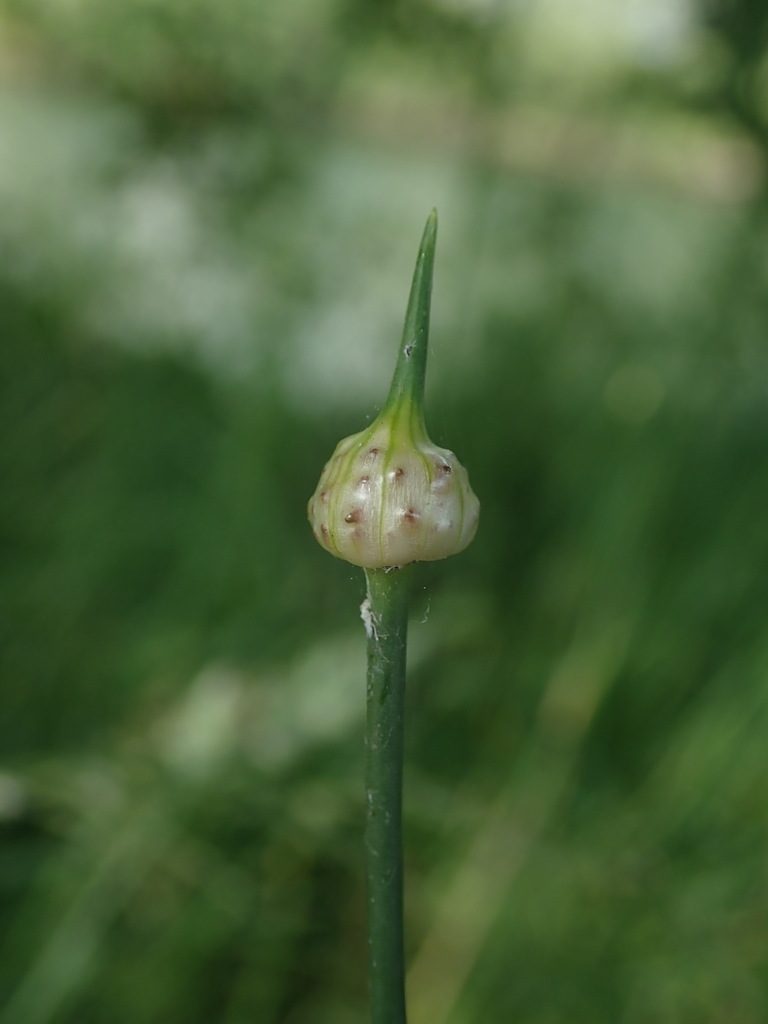
Wild garlic (crow garlic) is one of the most common and useful wild edibles in Northern Kentucky, growing abundantly in lawns, fields, and disturbed ground from early spring through early summer. Introduced from Europe, it is now thoroughly naturalized throughout the region. The hollow, grass-like leaves emerge very early in spring and have a strong, unmistakable garlic aroma — this scent is the key identification feature and distinguishes it from potentially toxic look-alikes like wild onion and star of Bethlehem. All parts are edible and intensely flavored: young leaves can be chopped and used like chives, the small underground bulbs can be used like garlic cloves, and the aerial bulbils (tiny bulb clusters at the top of the stem) can be pickled. Flavor is stronger than cultivated garlic — use sparingly.
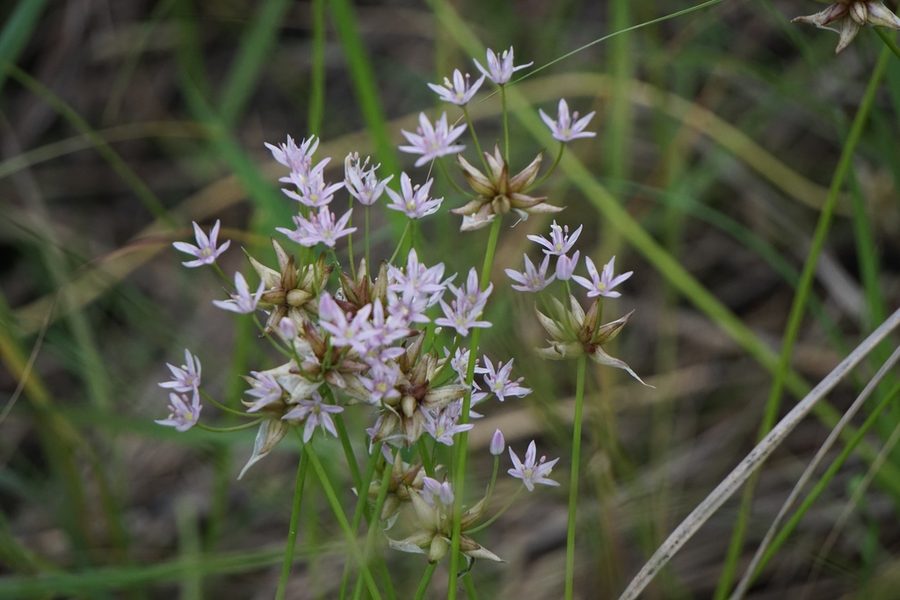
Wild Onion Allium canadense March – June (leaves); May – June (bulbs) ►
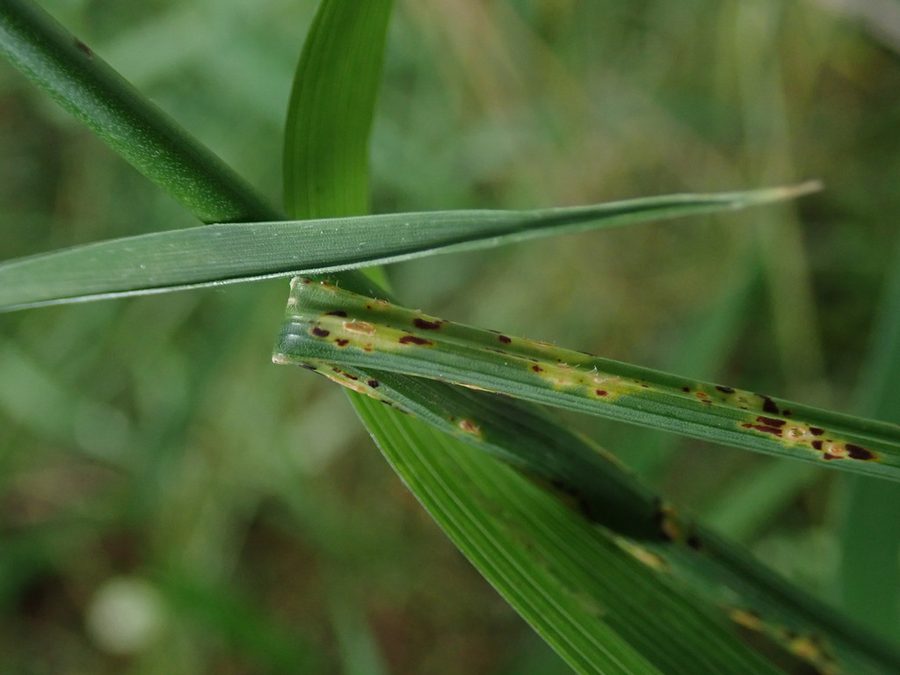
Wild onion is a native spring ephemeral found in meadows, open woodlands, and roadsides throughout Northern Kentucky. It emerges in early spring with flat, grass-like leaves and produces pink to white flowers atop a slender stalk in May and June. The flavor is a mild, sweet onion — more delicate than wild garlic. Young leaves can be used exactly like green onions or chives; the small bulbs can be harvested and used in cooking anywhere a mild onion flavor is desired. Always confirm identification by crushing a leaf — a clear onion or garlic scent must be present. If there is no scent, do not eat it, as death camas (Zigadenus) can resemble wild alliums but is toxic and has no scent. Wild onion is a reliable early-season forage and a good nectar plant for native bees.